Home / Business and Economy / GLP-1 Diet Shift Drives Up Food Prices
GLP-1 Diet Shift Drives Up Food Prices
20 Mar
Summary
- Weight-loss drugs alter diets, favoring pricier protein and vegetables.
- Grocery stores are stocking more high-protein snacks and fewer impulse buys.
- Broader consumer prices rise as diet trends influence shelf availability.
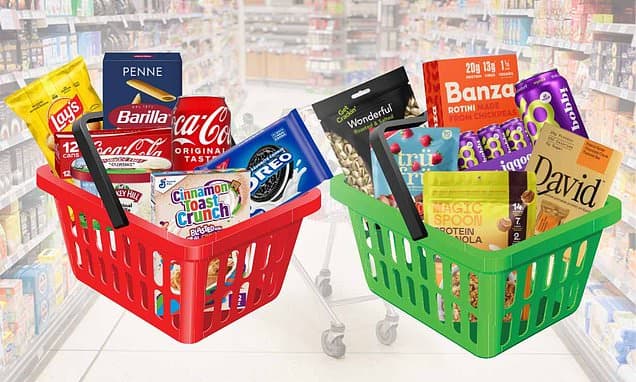
The widespread use of GLP-1 weight-loss medications such as Ozempic and Mounjaro is profoundly altering American eating habits and grocery store offerings. Users are increasingly opting for nutrient-dense foods like proteins and vegetables over cheaper, ultra-processed snacks. This shift necessitates changes in supermarket stocking, with more shelf space allocated to items like protein bars and nutritional drinks, and less to traditional impulse buys.
This trend is not only transforming consumer purchases but also influencing overall grocery prices. As demand grows for pricier, health-focused foods, retailers are adapting their selections, which can lead to higher costs for all shoppers. Food manufacturers are responding by launching new product lines and expanding existing ones to cater to this market, such as Nestlé's Vital Pursuit frozen meals and Conagra's high-protein options.
Experts note that GLP-1 usage has disrupted established purchasing models, accelerating demand in categories that were already seeing growth. This dietary transformation is also diminishing impulse snacking, as the medications reduce appetite and cravings for high-sugar, ultra-processed items. Consequently, consumers are buying fewer items, but the average price per item is increasing, impacting everyone's grocery bill.