Home / Business and Economy / GLP-1 Drugs Fuel Healthcare Logistics Boom
GLP-1 Drugs Fuel Healthcare Logistics Boom
25 Jul
Summary
- GLP-1 demand is driving massive investment in refrigerated logistics.
- UPS and FedEx are expanding specialized cold-chain facilities.
- Improper storage risks GLP-1 drug efficacy and patient safety.
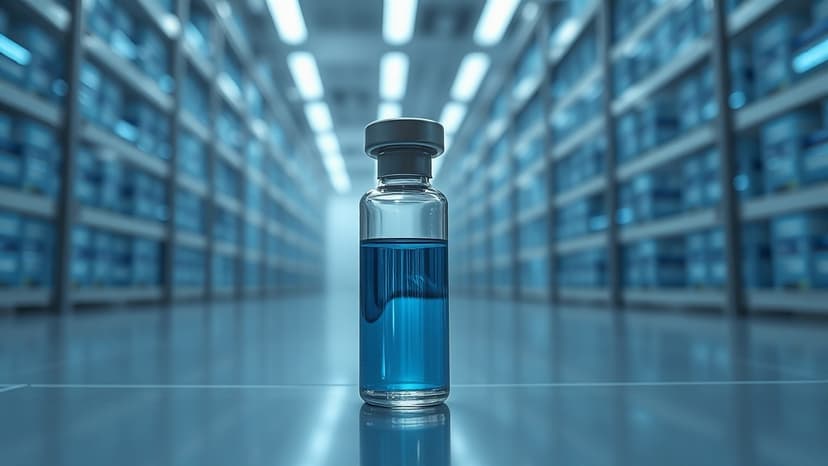
The rapid ascent of GLP-1 medications for weight loss is significantly propelling the healthcare logistics sector, with companies like UPS and FedEx strategically expanding their cold-chain capabilities. These injectable drugs, including Ozempic, Wegovy, Mounjaro, and Zepbound, necessitate refrigerated transport and storage to maintain efficacy, a critical factor highlighted by the FDA.
This specialized demand is spurring substantial investment, with UPS announcing a $48 million expansion in temperature-controlled facilities, anticipating an 8.3% compound annual growth rate for temperature-sensitive biologics through 2033. FedEx has also established a dedicated life sciences organization to support pharmaceutical movement, reporting nearly $10 billion in healthcare transportation revenue for fiscal year 2026.
Other logistics providers, such as C.H. Robinson and DHL, are also increasing their investments and capabilities. C.H. Robinson surpassed $1 billion in healthcare logistics revenue, driven by GLP-1 growth. DHL is investing 2 billion euros by 2030 in health logistics and utilizes AI for monitoring critical life science products. The increasing complexity of specialized therapies and direct-to-consumer models demand end-to-end visibility, control, and reliability in the supply chain, creating a competitive landscape for constrained refrigerated resources.


