Home / Business and Economy / Global Inflation Looms as West Asia Tensions Rise
Global Inflation Looms as West Asia Tensions Rise
21 Mar
Summary
- Widening West Asia conflict could trigger global inflation.
- India may be relatively insulated from economic impacts.
- Higher oil prices could widen India's CAD by 36 basis points.
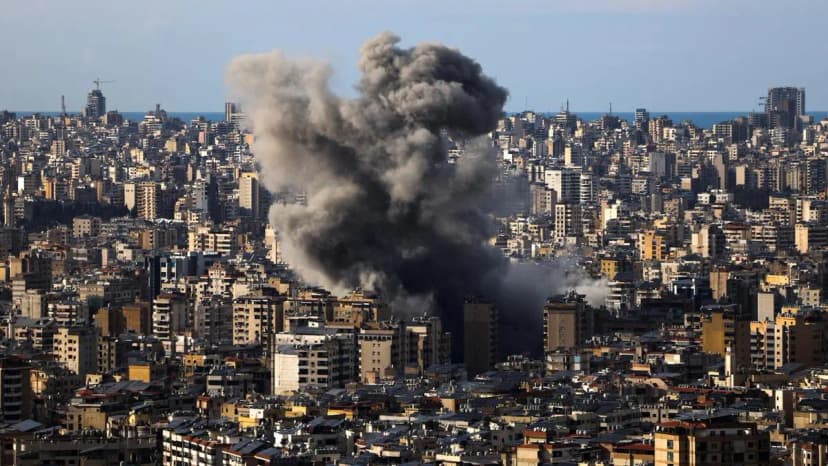
Escalating geopolitical tensions in West Asia could unleash a new wave of global inflation if the conflict expands across supply chains and financial systems. A report by SBI Research suggests that while the immediate impact might be limited, broader consequences for the global economy are possible due to potential trade and supply chain disruptions. India, however, is anticipated to be more resilient compared to many other nations.
The primary channels through which the conflict could affect India are remittances from Gulf countries and crude oil imports. The country relies heavily on overseas remittances, with GCC nations contributing significantly. Energy security is also a critical factor, given India's high dependence on imported crude oil, much of which passes through the Strait of Hormuz.
While India imports nearly 90% of its crude oil, it has diversified its sourcing, including increased imports from Russia since 2022, to mitigate supply risks. Nevertheless, sustained higher oil prices could lead to significant macroeconomic consequences. For instance, every $10 per barrel increase in crude oil prices may widen India's current account deficit (CAD) by 36 basis points and increase inflation by 35-40 basis points.