Home / Business and Economy / Global Food Shock Looms Amid Conflict and El Niño
Global Food Shock Looms Amid Conflict and El Niño
20 Oct
Summary
- Geopolitical conflicts and El Niño pose major risks to food security.
- Fertilizer and diesel supply disruptions significantly impact food production.
- Extreme weather from El Niño threatens harvests in breadbasket regions.
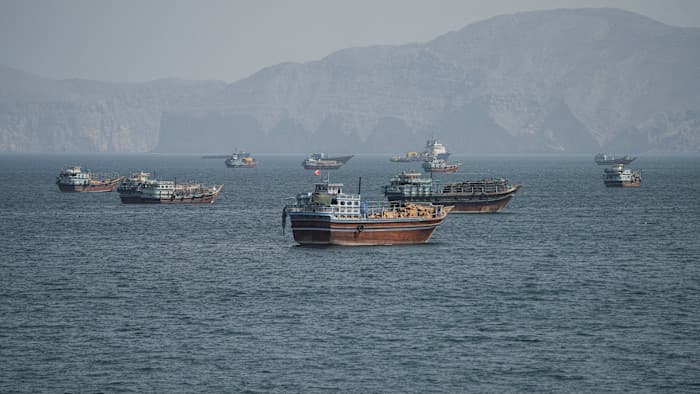
A significant risk of a global food security crisis is emerging, driven by ongoing geopolitical conflicts and a potent El Niño event. The world's food production systems are being simultaneously tested by disruptions in natural gas, sulphur for fertilizer, diesel fuel, and vital shipping lanes.
Attacks in the Middle East have blocked vast amounts of crude oil, diesel, and liquefied natural gas. Crucially, the region also supplies a substantial portion of global fertilizer trade, including urea and sulphur, which pass through the Strait of Hormuz.
Escalating energy costs, particularly for natural gas and diesel, are increasing farming expenses. This pressure forces farmers to reduce fertilizer use or acreage, potentially leading to lower food output. The situation is exacerbated by disruptions to diesel exports from the Middle East and Russia.
Adding to these challenges, a powerful El Niño event, projected to be one of the strongest on record, threatens severe droughts and floods across critical agricultural areas in Asia, Africa, and Latin America. This extreme weather could lead to multi-regional harvest failures.
Modeling indicates potential reductions in corn and soybean output in Brazil, lower wheat production in Australia, and risks to India's wheat crop. Palm oil production in Indonesia and Malaysia also faces potential declines.
While rich economies may face inflation and reduced living standards, lower-income food-importing countries confront higher stakes, including potential social unrest. The confluence of conflict and extreme weather presents a growing threat that requires urgent policy consideration.


