

Home / Business and Economy / Ghana's Fuel Security: Diverse Sources Mitigate Iran Conflict Risks
Ghana's Fuel Security: Diverse Sources Mitigate Iran Conflict Risks
31 Mar
Summary
- Ghana secures fuel from diverse sources, including Russia, offering protection.
- Russian shipments are ongoing, with a tanker headed to Ghana currently.
- Other African nations face more exposure due to reliance on Middle Eastern supplies.
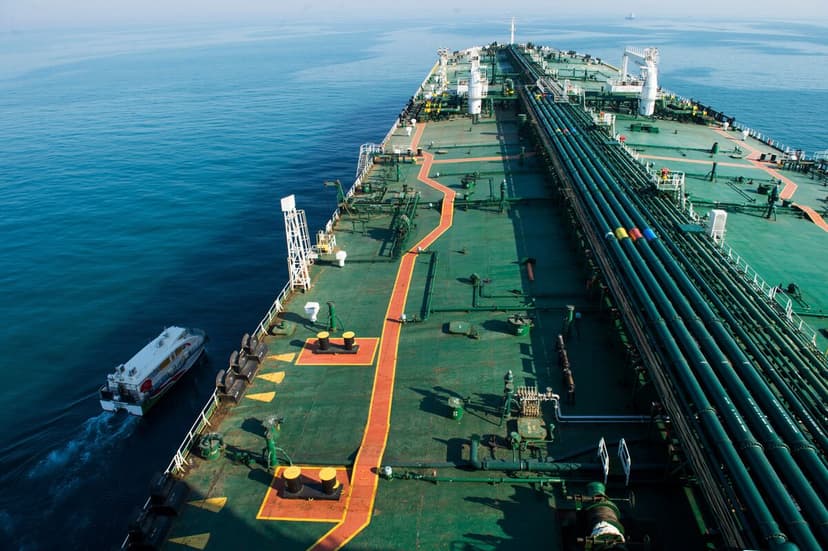
Ghana is better positioned to withstand fuel-supply disruptions stemming from the Iran conflict compared to many other sub-Saharan African countries. This resilience is due to its diverse import sources, which include regular shipments from Russia.
A tanker named Hellas Fighter, loaded with refined fuel from Russia, is currently en route to Ghana's primary oil hub in Tema. This vessel, carrying approximately 320,000 barrels, is expected to arrive on April 6, reinforcing ongoing supply flows.
Russia has been a significant supplier to Ghana, providing about 18% of its mineral fuel imports in 2023. This consistent supply helps Ghana meet its domestic fuel demand, given its limited refining capacity and reliance on imports. The country benchmarks its fuel prices against the Northwest Europe Market, emphasizing its strategy of not depending on a single nation for supplies.
In contrast, many nations across eastern and southern Africa are more exposed to potential disruptions. Their heavy reliance on Middle Eastern fuel shipments has been constrained by the ongoing conflict affecting traffic through the Strait of Hormuz. This has led to fuel shortages in countries like Kenya and Zambia, and long queues in Mozambique.
Ghana's advantage lies in its broad supply options. Besides Russia, its largest fuel import source in recent years has been the Netherlands. Additionally, the emerging refinery in Nigeria, owned by billionaire Aliko Dangote, is becoming a viable alternative supplier due to proximity.
International oil trading companies continue to ship fuel to Ghana without significant impact from the current global tensions. The diversity of suppliers ensures a steady flow, mitigating the risks faced by other African nations grappling with rising pump prices and potential shortages.
