Home / Business and Economy / Artificial Colors Challenged: What's Next for Your Snacks?
Artificial Colors Challenged: What's Next for Your Snacks?
28 Jan
Summary
- Companies face pressure to remove artificial food dyes.
- Some firms pledge changes by 2026 and 2027.
- Logistical and cost issues delay some reformulations.
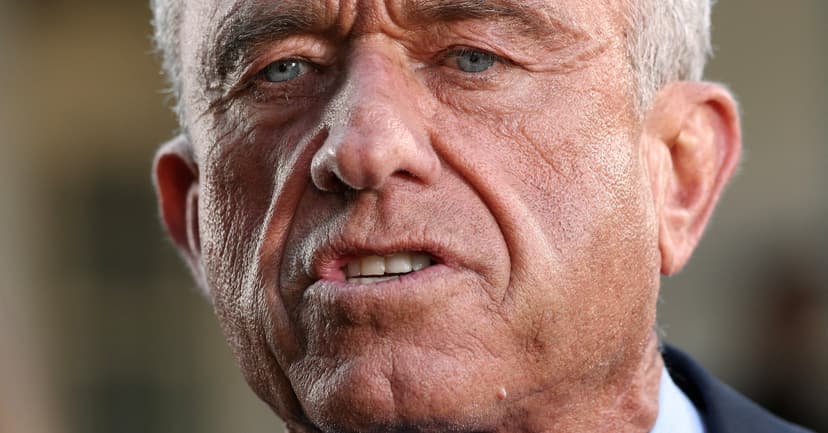
U.S. food makers are facing increased pressure to remove artificial dyes from their products, a movement championed by the U.S. health secretary. Over 15 major food companies reviewed showed varying degrees of commitment to this change. Two companies, Campbell's and Nestle, aim to eliminate artificial dyes by the end of 2026, aligning with initial government proposals.
Seven other companies, including Kraft Heinz and Conagra Brands, have committed to completing this transition by the end of 2027. Six additional companies, such as Mondelez and Coca-Cola, have not set firm deadlines but are exploring dye-free options. These efforts represent nearly 40% of the U.S. packaged food and beverage market making public commitments.
Manufacturers delaying the switch cite challenges such as the cost of natural alternatives and potential scarcity of ingredients. For instance, Conagra Brands is evaluating the impact of replacing Red 40 in its Duncan Hines red velvet cake mix, noting concerns about maintaining supply and price stability with beet-based alternatives.
The push for reformulations is also driven by consumer demand for fewer artificial additives and emerging state laws. Fifteen state bills concerning food additives were proposed last year, with ten states enacting laws banning certain additives, primarily in school lunches. This regulatory landscape is prompting some to advocate for national ingredient standards.
Companies like PepsiCo are introducing 'Simply' versions of products like Doritos and Cheetos, which use natural colors and are less intensely orange. Danone is also rolling out yogurts without artificial coloring. However, achieving certain natural colors, like blue for cereals, remains a significant challenge for the industry.