feedzop-word-mark-logo
searchLogin
Feedzop
homeFor YouUnited StatesUnited States
You
bookmarksYour BookmarkshashtagYour Topics
Trending
Terms of UsePrivacy PolicyAboutJobsPartner With Us

© 2026 Advergame Technologies Pvt. Ltd. ("ATPL"). Gamezop ® & Quizzop ® are registered trademarks of ATPL.

Gamezop is a plug-and-play gaming platform that any app or website can integrate to bring casual gaming for its users. Gamezop also operates Quizzop, a quizzing platform, that digital products can add as a trivia section.

Over 5,000 products from more than 70 countries have integrated Gamezop and Quizzop. These include Amazon, Samsung Internet, Snap, Tata Play, AccuWeather, Paytm, Gulf News, and Branch.

Games and trivia increase user engagement significantly within all kinds of apps and websites, besides opening a new stream of advertising revenue. Gamezop and Quizzop take 30 minutes to integrate and can be used for free: both by the products integrating them and end users

Increase ad revenue and engagement on your app / website with games, quizzes, astrology, and cricket content. Visit: business.gamezop.com

Property Code: 5571

Home / Business and Economy / Artificial Colors Challenged: What's Next for Your Snacks?

Artificial Colors Challenged: What's Next for Your Snacks?

28 Jan

•

Summary

  • Companies face pressure to remove artificial food dyes.
  • Some firms pledge changes by 2026 and 2027.
  • Logistical and cost issues delay some reformulations.
Artificial Colors Challenged: What's Next for Your Snacks?

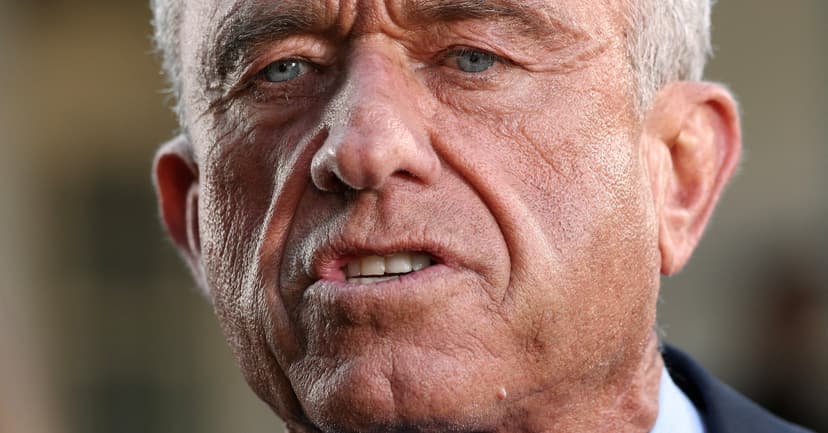
U.S. food makers are facing increased pressure to remove artificial dyes from their products, a movement championed by the U.S. health secretary. Over 15 major food companies reviewed showed varying degrees of commitment to this change. Two companies, Campbell's and Nestle, aim to eliminate artificial dyes by the end of 2026, aligning with initial government proposals.

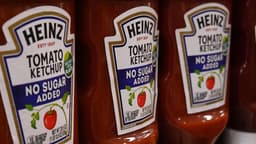
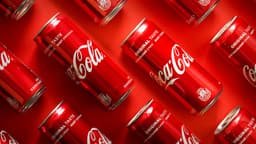
Seven other companies, including Kraft Heinz and Conagra Brands, have committed to completing this transition by the end of 2027. Six additional companies, such as Mondelez and Coca-Cola, have not set firm deadlines but are exploring dye-free options. These efforts represent nearly 40% of the U.S. packaged food and beverage market making public commitments.

Manufacturers delaying the switch cite challenges such as the cost of natural alternatives and potential scarcity of ingredients. For instance, Conagra Brands is evaluating the impact of replacing Red 40 in its Duncan Hines red velvet cake mix, noting concerns about maintaining supply and price stability with beet-based alternatives.

trending

Ohio snow emergency declared

trending

TikTok down in United States

trending

Andreeva matches Venus Williams' feat

trending

Warrington Hospital baby death

trending

Alexander Zverev advances in Australia

trending

Oilers host Capitals

trending

London celebrates Chinese New Year

trending

Liza Minnelli defends AI use

The push for reformulations is also driven by consumer demand for fewer artificial additives and emerging state laws. Fifteen state bills concerning food additives were proposed last year, with ten states enacting laws banning certain additives, primarily in school lunches. This regulatory landscape is prompting some to advocate for national ingredient standards.

Companies like PepsiCo are introducing 'Simply' versions of products like Doritos and Cheetos, which use natural colors and are less intensely orange. Danone is also rolling out yogurts without artificial coloring. However, achieving certain natural colors, like blue for cereals, remains a significant challenge for the industry.

Disclaimer: This story has been auto-aggregated and auto-summarised by a computer program. This story has not been edited or created by the Feedzop team.
Campbell's and Nestle plan to eliminate artificial dyes by the end of 2026, while Kraft Heinz and Conagra Brands are committed to doing so by the end of 2027.
Manufacturers cite reasons such as the cost of natural alternatives, potential scarcity of ingredients, and the logistical challenges of reformulating products while maintaining consumer appeal and price points.
Challenges include ensuring a sufficient supply of natural ingredients, maintaining the desired color (like a vibrant red for cake mixes), and managing costs. For example, finding a natural blue color is particularly difficult.

Read more news on

Business and Economyside-arrow

You may also like

Costa Coffee Sale Collapses Amid High Hopes

14 Jan • 76 reads

article image

PepsiCo Soars, Kraft Heinz Stumbles

1 Jan • 154 reads

article image

Kraft Heinz Splits: Buffett's Megamerger Reversed

16 Dec, 2025 • 171 reads

article image

Coca-Cola's Packaging Overhaul: Less Plastic, More Paper

8 Dec, 2025 • 283 reads

article image

Kraft Heinz Splits: Can Two Be Better Than One?

6 Dec, 2025 • 194 reads

article image