Home / Business and Economy / Food Giants Pivot: Catering to Rich and Poor
Food Giants Pivot: Catering to Rich and Poor
26 Feb
Summary
- Food companies face a K-shaped economy challenge.
- Dual strategies needed for low-income and high-income consumers.
- General Mills, Kraft Heinz, Conagra stocks have collapsed.
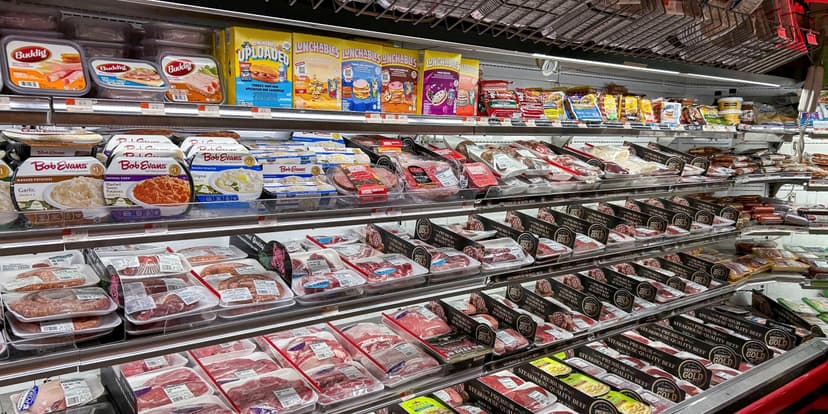
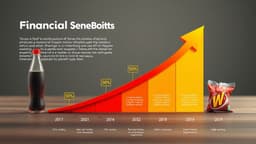
Food manufacturers are grappling with the economic divide, requiring distinct strategies for different consumer groups. The traditional broad-market approach has become ineffective due to widening income inequality. Companies must now offer one playbook for budget-conscious shoppers and another for wealthier individuals benefiting from market upturns.
This strategic pivot follows a period where food giants raised prices significantly, leading to consumer backlash and reduced volumes. Despite efforts to regain market share through promotions, a barrier exists: bulk deals and loyalty perks often favor higher earners. Lower-income consumers may end up paying more per unit for smaller packages.
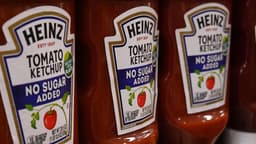
Recent years have seen significant stock price declines for major players like General Mills, Kraft Heinz, and Conagra. While a rotation out of Big Tech offered a slight boost, valuations remain subdued. For instance, Kraft Heinz trades below its 15-year average, signaling potential investor opportunities if companies can adapt.
General Mills recently issued a warning about "significant consumer stress," particularly among middle and lower-income groups, due to inflation and reduced government benefits. This led the company to lower its full-year outlook, impacting its shares. Companies must now focus on offering affordable out-of-pocket expenses to retain lower-income customers.
Higher earners, conversely, have the capacity to capitalize on promotions by purchasing items in bulk, leveraging available capital and storage space. This necessitates offering discounts that appeal to both struggling consumers and those with disposable income. Ultimately, the era of one-size-fits-all marketing is over for Big Food.