Home / Business and Economy / Iran War's Ripple: Fertilizer Crisis Looms for Poorest
Iran War's Ripple: Fertilizer Crisis Looms for Poorest
11 Mar
Summary
- Fertilizer imports for poor nations face disruption via Persian Gulf.
- Strait of Hormuz closure intensifies food and fertilizer price hikes.
- Supply chain shock echoes pandemic and Ukraine war impacts.
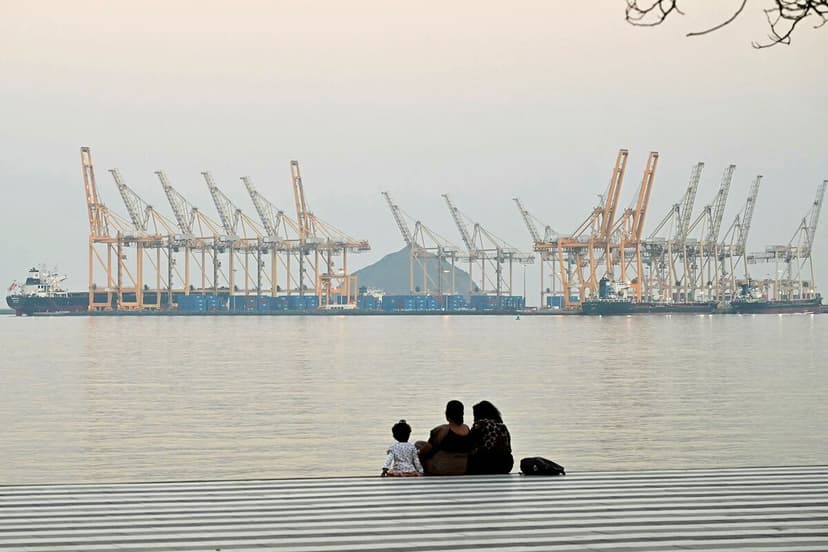
The ongoing Iran war and the resulting effective closure of the Strait of Hormuz are escalating global food and fertilizer prices, disproportionately impacting the world's poorest nations. A new United Nations report warns that the disruption to this critical shipping lane, through which approximately 20% of global seaborne oil and liquefied natural gas passes daily, mirrors the supply chain shocks seen during the COVID-19 pandemic and the start of the conflict in Ukraine.
Access to vital fertilizers is expected to deteriorate for countries such as Sudan, Somalia, Tanzania, and Mozambique, as they import a significant portion of their supplies via the Persian Gulf. This situation is compounded by increased energy, transport costs, and freight rates, which collectively raise food expenses and intensify cost-of-living pressures on vulnerable populations. Developing economies are especially exposed due to existing high debt burdens and rising borrowing costs.