Home / Business and Economy / FAA's Tech Overhaul: Learning from Past Failures?
FAA's Tech Overhaul: Learning from Past Failures?
20 Feb
Summary
- FAA controller numbers declined while flights rose.
- Most of FAA's information systems are unsustainable.
- A new $12.5 billion plan aims for upgrades by 2028.
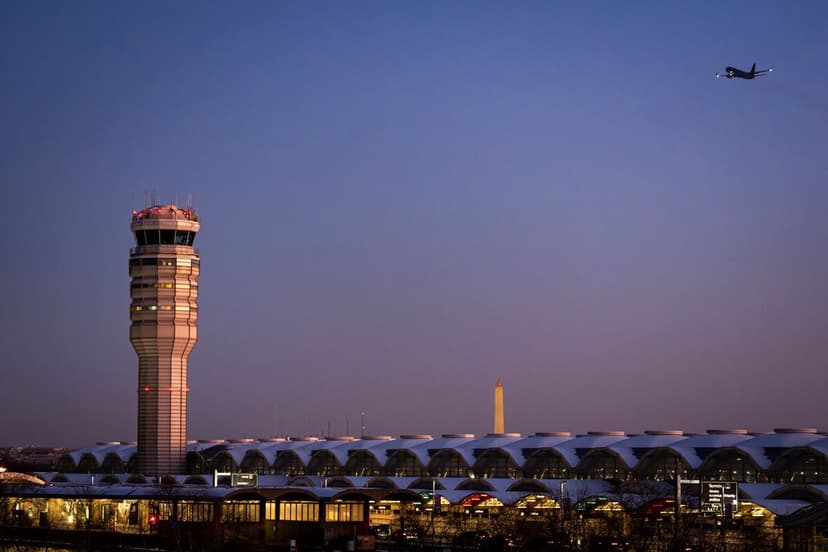
The Federal Aviation Administration (FAA) is embarking on a significant technology overhaul, aiming to create a "brand new air traffic control system" by 2028 with an initial $12.5 billion investment. This initiative seeks to address critical issues, including a 6% decline in air traffic controllers since 2015, while flight volume has increased by 10%. Many controllers report stressful conditions and burnout, exacerbated by a lengthy training process for new recruits.
Compounding the staffing challenges, the FAA's technological infrastructure is in dire straits, with 105 of 138 information systems deemed unsustainable. Major system upgrades are not projected for completion before 2030, and some may take over a decade. This situation is particularly concerning given recent incidents like staffing breakdowns and communication outages.
Previous FAA modernization attempts, such as the Advanced Automation System and NextGen, have been marred by significant cost increases, schedule delays, and software problems. To prevent a recurrence, the FAA plans to procure off-the-shelf systems, tie contractor payments to performance, and impose penalties. Congress is urged to provide multiyear funding to clarify goals and control costs.
Looking ahead, a long-term solution suggests moving air traffic control operations to a nonprofit or government corporation, funded by airlines, with the FAA acting as a regulator. This could insulate the system from federal budget disputes and improve investment in technology, similar to models in Canada and Europe.