Home / Business and Economy / Clean Hydrogen: ExxonMobil & BASF's New Eco-Fuel Tech
Clean Hydrogen: ExxonMobil & BASF's New Eco-Fuel Tech
20 Nov, 2025
Summary
- ExxonMobil and BASF collaborate on methane pyrolysis for clean hydrogen.
- This technology produces hydrogen and solid carbon, a valuable industrial material.
- Methane pyrolysis offers a low-emission alternative to current hydrogen production.
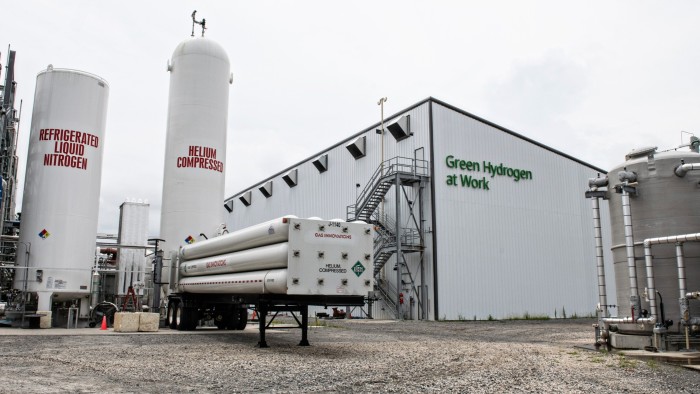
ExxonMobil and BASF have announced a significant collaboration to advance methane pyrolysis, an emerging technology poised to produce low-emission hydrogen. This innovative process converts natural gas into hydrogen and solid carbon, bypassing the substantial carbon dioxide emissions associated with conventional steam-methane reforming. The companies plan to establish a demonstration plant in Baytown, Texas, to scale up this environmentally friendly production method.
The dual output of hydrogen and solid carbon makes methane pyrolysis particularly compelling. While the hydrogen can serve as a clean fuel, the solid carbon byproduct, often called carbon black, has applications in manufacturing tires, plastics, and battery materials. This provides a dual revenue stream, enhancing the economic viability of the process and addressing the growing demand for sustainable industrial materials.
Despite past challenges in scaling methane pyrolysis due to energy requirements, recent breakthroughs in catalyst development and the backing of major industrial players like ExxonMobil and BASF are generating renewed optimism. Start-ups are also innovating in this space, developing advanced techniques to commercialize methane pyrolysis as a key tool for decarbonization and industrial resilience.