Home / Business and Economy / Modular Construction: Europe's Building Solution?
Modular Construction: Europe's Building Solution?
26 Mar
Summary
- Modular construction offers faster building times, reducing project completion by up to 90%.
- The European modular market is expected to exceed €40 billion by 2030.
- Fragmented national regulations hinder cross-border expansion and economies of scale.
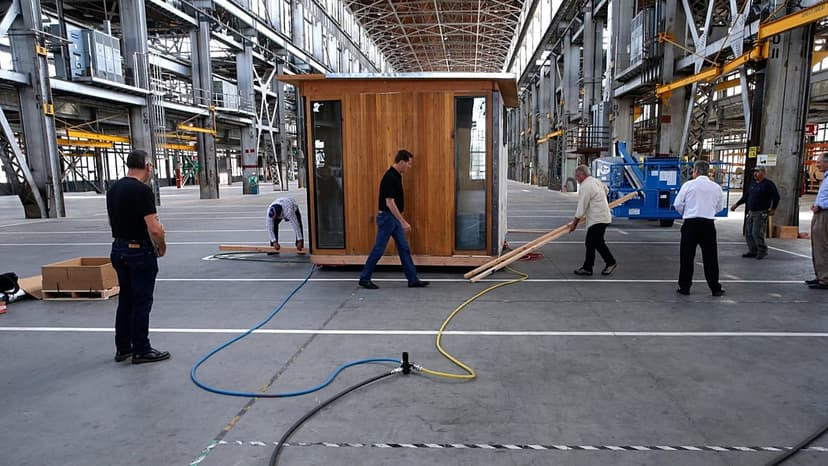
Europe is grappling with a severe housing crisis, exacerbated by a construction industry lagging in modernization. A shortfall of up to 10 million housing units plagues the European Union, with countries like Germany and France facing significant unmet demand. Actual construction rates are meeting only about half the required pace.
Modular construction, a method of building homes in factories and assembling them on-site, is gaining momentum. This approach can accelerate project completion by 50 to 90 percent while reducing waste and embodied carbon, aligning with the EU's sustainability goals. The European modular market is valued at approximately €31 billion in 2025 and is forecasted to surpass €40 billion by 2030.
Sweden leads in modular construction adoption, with about 45 percent of new housing built offsite, supported by policy and efficient approvals. Germany follows, with federal subsidies promoting climate-efficient housing. Emerging markets like Spain, Portugal, and Poland are also attracting developers, benefiting from simpler regulations and government incentives.
A significant challenge to scaling modular construction across Europe is the fragmented regulatory landscape. Building codes vary considerably between member states, and modules certified in one country often require separate national certifications for use in another. This lack of harmonized standards impedes cross-border trade and economies of scale.
Efforts are underway to address these regulatory hurdles. The updated EU Construction Products Regulation introduces Digital Product Passports, aiming to streamline cross-border approvals with machine-readable compliance records. Despite limitations like design flexibility and upfront costs, modular construction presents a vital pathway to significantly increase housing supply without demanding more labor or land.