Home / Business and Economy / Europe's Gas Woes Fade as Renewables Surge
Europe's Gas Woes Fade as Renewables Surge
13 Aug
Summary
- Renewable generation is set to surpass gas in Europe for the longest period.
- Installed wind and solar capacity now nearly doubles that of gas-fired capacity.
- Europe's need for gas storage may decrease as renewable energy grows.
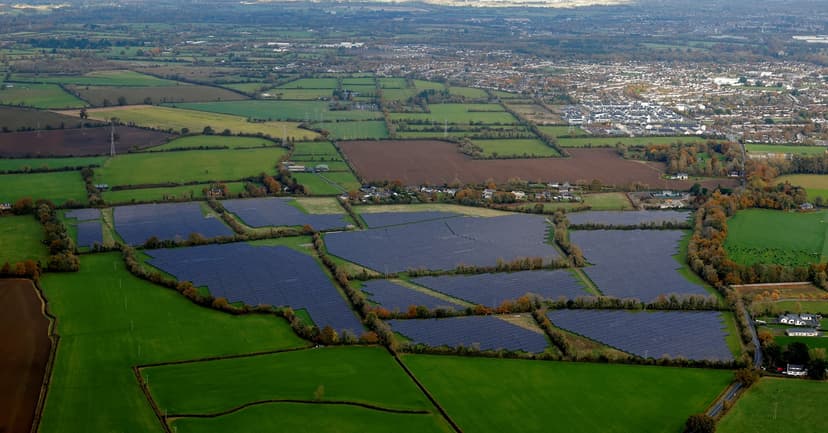
Europe's energy focus is transitioning from securing gas supplies to questioning its ongoing need for the fuel. By 2026, combined electricity generation from wind and solar power is anticipated to surpass output from gas-fired plants for an unprecedented stretch. This trend signals a potential structural shift in Europe's energy landscape, moving away from a decade where gas routinely generated more than double the electricity of renewables.
Installed wind and solar capacity in Europe has surged to nearly 750 GW, compared to approximately 400 GW for gas-fired plants. This significant increase in renewable capacity means that by 2026, renewable generation is expected to match or exceed gas output for extended periods, not just due to favorable weather but as a consequence of the expanded green energy infrastructure.
The implications for gas markets are substantial. As renewables increasingly dominate power supply from April through October, the traditional gas-burn season is shortening. This reduces overall gas consumption and import requirements, potentially diminishing Europe's reliance on stored gas for winter demand. While storage remains crucial for cold spells, the continent's underlying need for gas inventories may decline over time.
Historically, gas served as a bridge fuel between coal and renewables. However, Europe's power system is increasingly demonstrating its ability to operate with less gas. With each new wind farm and solar park, Europe not only produces cleaner electricity but also steadily decreases its need for imported, stored, and burned gas, representing a consequential energy development for the region.


