Home / Business and Economy / Europe's electrify strategy faces cost hurdle
Europe's electrify strategy faces cost hurdle
21 Jul
Summary
- Electrification is Europe's answer to energy challenges.
- High upfront costs hinder consumer and industrial adoption.
- Grid expansion is another major barrier to electrification.
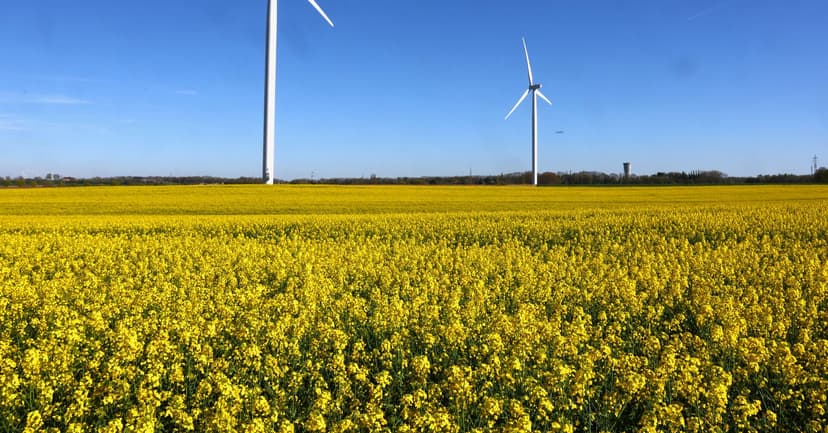
Europe has adopted a strategy of electrification to address its major energy challenges, including reducing emissions, decreasing reliance on imported fossil fuels, and stabilizing energy prices. This approach aims to leverage the growing share of renewable energy sources in the continent's power generation.
The transition, however, is entering a more demanding phase. While increasing renewable capacity was the initial focus, encouraging widespread adoption of electric vehicles, heat pumps, and electrified industrial processes presents a greater challenge. The core issue has shifted from engineering to economics, as electricity prices can remain significantly higher than those of natural gas.
This economic disparity creates a barrier for consumers and businesses. High upfront costs for transitioning to electric alternatives, coupled with rising interest rates and uncertain policy support, have led to a slowdown in the adoption of key technologies like heat pumps. Delays in grid development and network expansion further compound these challenges, limiting the integration of new renewable energy projects and electric vehicle charging infrastructure.
Despite these obstacles, the long-term logic of reducing dependence on imported fossil fuels remains compelling for energy security and economic resilience. The crucial question is whether policymakers have adequately planned for the practicalities of this transition. Future success hinges on making electricity the economically advantageous choice through lower prices, accelerated grid development, and stable investment incentives, ensuring electrification becomes the engine, not the bottleneck, of Europe's energy future.


