Home / Business and Economy / Egg Glut: From Scarcity to Surplus in One Year
Egg Glut: From Scarcity to Surplus in One Year
20 Feb
Summary
- Egg prices fell 59% from March 2025's record high to January 2026.
- US producers expanded hen numbers, leading to an oversupply.
- Some egg farmers are operating below breakeven due to low prices.
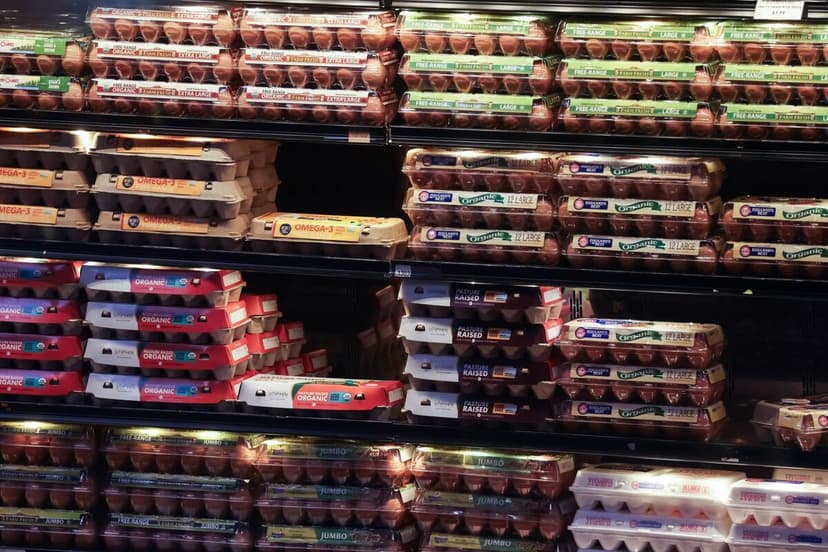
A year after empty shelves symbolized stubborn food inflation, the US egg market has seen a dramatic reversal. Consumer prices have plummeted to their lowest levels in two years, creating financial hardship for egg farmers who had ramped up production. Americans paid an average of $2.577 for a dozen eggs in January 2026, a 59% decrease from the record high of $6.227 in March 2025. This correction followed a significant increase in the number of layer hens, reaching 309 million as of January 1, 2026, the most since December 2024.
This substantial increase in supply, driven by farmers expanding output to meet anticipated demand and hedge against avian influenza, has now exceeded demand. Wholesale egg prices reached their lowest point since 2017 in January. The USDA forecasts egg prices to average $1.25 a dozen in 2026, a 67% drop from the previous year. Many producers are currently operating below breakeven, with ample supply expected to keep prices under pressure.
The financial strain is evident, with top producer Cal-Maine Foods Inc. reporting a 19% decrease in quarterly net sales. While avian influenza cases have lessened compared to 2025, its lingering presence complicates planning for farmers who make flock size decisions up to 18 months in advance. This has led to a current oversupply, which will take time to adjust.