Home / Business and Economy / India's E20 Fuel: Hidden Contamination Shocks Auto Giants
India's E20 Fuel: Hidden Contamination Shocks Auto Giants
13 Aug
Summary
- Top carmakers privately flagged contamination concerns over E20 petrol.
- Fuel samples revealed chloride and moisture levels far exceeding limits.
- Contamination risks vehicle failures, impacting mileage and wear.
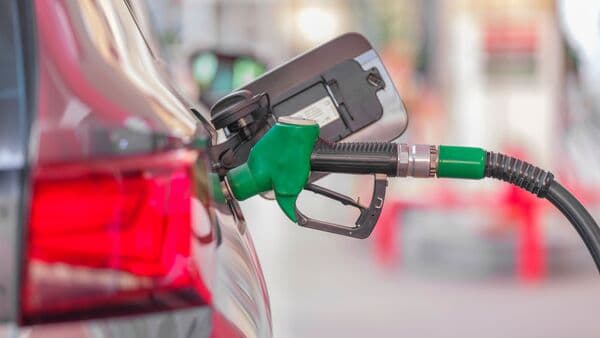
Top Indian carmakers have privately voiced serious concerns about contamination in E20 petrol, a blend mandated nationwide since April. Despite public assurances, Maruti Suzuki, Tata Motors, and Mahindra shared internal emails revealing worries about fuel quality. Industry testing found high levels of chloride and moisture in samples collected across India, significantly exceeding government limits.
Chloride levels reached up to 570 ppm in Rajasthan, vastly above the 3 ppm limit, while moisture content in Uttar Pradesh was around 12,500 ppm, double the allowed 3,000 ppm. Executives warned that such contamination could lead to rapid vehicle failures, with fuel injectors tolerating only minimal chloride. These findings contradict recent official statements, which claimed minimal contamination issues were found.
Consumer complaints about reduced mileage and increased wear on vehicles have been mounting since the E20 rollout. Auto executives highlighted that immediate post-fuelling failures are often linked to organic chloride contamination. While the petroleum ministry has not commented, these revelations cast a shadow on the fuel's widespread adoption and its intended environmental benefits.


