Home / Business and Economy / Dairy Giant Dominates China's Tech Bond Market
Dairy Giant Dominates China's Tech Bond Market
2 Mar
Summary
- Dairy firm Yili issued more tech bonds than actual tech companies.
- China's tech bond program attracts traditional sector issuers.
- Short-term bond maturities suggest fundraising, not innovation.
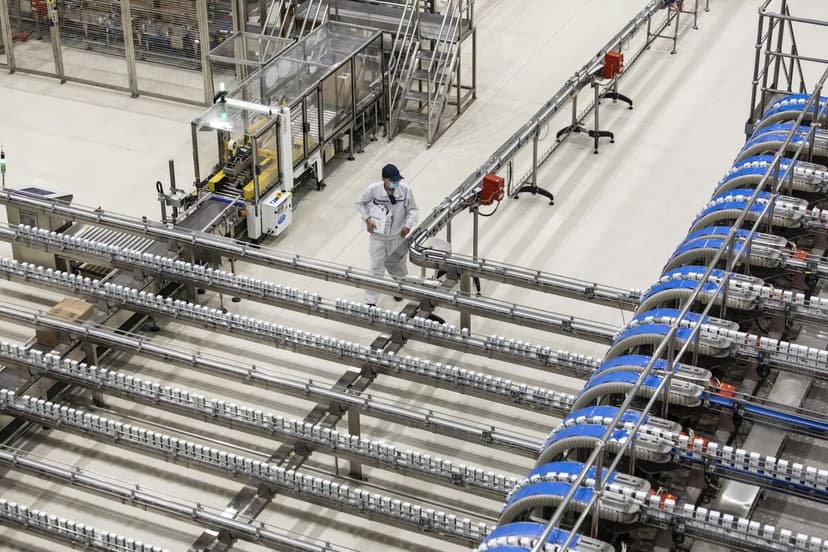
China's program designed to fuel technology sector growth through onshore bonds has seen an unusual leading issuer: dairy giant Inner Mongolia Yili Industrial Group Co. This company has issued 45 billion yuan ($6.5 billion) in technology and innovation bonds this year, making it the largest issuer under the program, surpassing dedicated tech firms.
The program offers companies less regulatory scrutiny for debt sales, attracting a broad range of issuers, including many state-owned entities and those from traditional sectors like coal, steel, and utilities. Analysts note that while permitted, this outcome deviates from the policy's intended focus on innovation.
Chinese tech companies have not heavily utilized major debt offerings for AI initiatives, unlike their US counterparts. Instead, firms like Tencent and Alibaba are raising smaller amounts through dim sum, dollar bonds, or convertible notes. Startups are opting for the stock market. This has created an opening for commercial banks, private equity, and industrial issuers to dominate the tech bond market.
Many of these tech bonds have maturities of one year or less, indicating their use for rapid fundraising, working capital replenishment, or debt refinancing rather than substantial tech investment. Yili's bonds, for instance, all mature within 90 days, with limited details on their technological application, though the company is eligible due to its innovation labeling and R&D spending.
In contrast, some tech-focused firms like Contemporary Amperex Technology and Shanghai Junshi Biosciences are issuing longer-term bonds. However, these still fall short of the ultra-long issuances by US tech giants for AI ambitions, such as Google parent Alphabet's $20 billion sale. China's top-down approach includes state financial institution credit guarantees to enhance investor appeal. Nevertheless, analysts warn of risks, including potential misuse of funds and projects being misrepresented as tech-driven, urging for stronger oversight.