

Home / Business and Economy / China's Teapot Refiners Brave Energy Crisis
China's Teapot Refiners Brave Energy Crisis
14 Apr
Summary
- Independent refiners rely on discounted crude from Iran and Russia.
- Sanctions and blockades have disrupted supply and erased discounts.
- Floating stockpiles offer a temporary buffer for Chinese refiners.
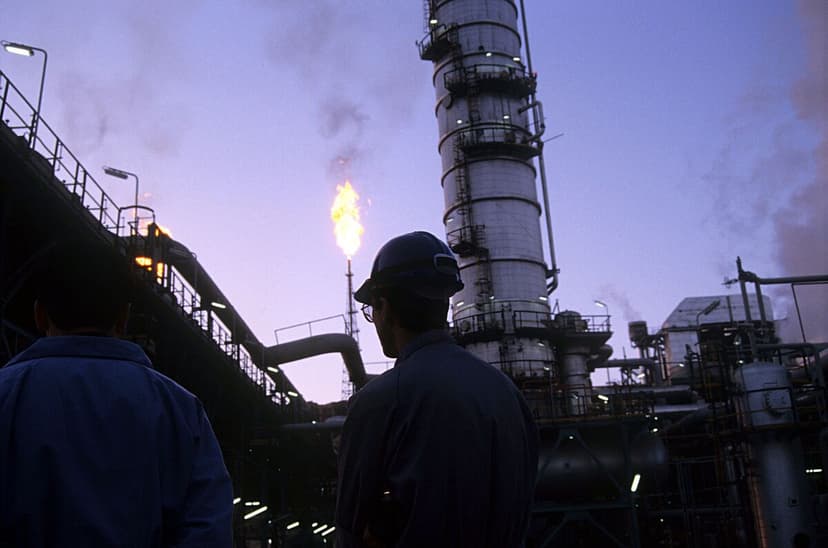
China's independent 'teapot' refiners are enduring the global energy crisis, despite facing significant challenges. These refiners, which represent about a fifth of China's refining capacity, historically depended on discounted crude from nations like Iran, Russia, and Venezuela to compete with larger state-owned enterprises.
Recent geopolitical events have dismantled this strategy. US actions in Venezuela limited supply options, while sanction waivers for Iranian and Russian oil eliminated previous discounts. A potential US blockade of the Strait of Hormuz threatens to halt Iranian crude exports, a key source for these private refiners.
To ensure domestic fuel supply, Beijing has urged the sector to maintain output, even at a loss, by granting extra import quotas. Currently, approximately 38 million barrels of Iranian oil stored in tankers in Asian waters provide a temporary buffer, offering a couple of months' breathing room for Shandong province's refiners.
China is concurrently diversifying its energy sources, shifting towards electricity generated from domestic coal and renewables. The nation also maintains substantial crude oil reserves, some of which are being utilized by refiners. This multi-faceted approach allows China to pursue diplomatic solutions for Middle East stability without immediate economic repercussions.

