Home / Business and Economy / China's Involution: A Race to the Bottom?
China's Involution: A Race to the Bottom?
16 Feb
Summary
- China faces oversupply due to fierce corporate competition.
- Government subsidies keep unprofitable Chinese companies afloat.
- Political incentives drive China to retain failing businesses.
China's economy is experiencing 'involution,' a state of intense competition where companies aggressively lower prices, leading to significant oversupply across various sectors. This phenomenon has persisted for three years, evidenced by a negative producer price index. The domestic demand for many products remains weak, intensifying the pressure on businesses.
To combat the downward spiral, the Chinese central government has directed local authorities to establish price floors for government procurement and investigate companies submitting excessively low bids. Furthermore, unprofitable companies are being sustained through direct government subsidies and subsidized banking credit.
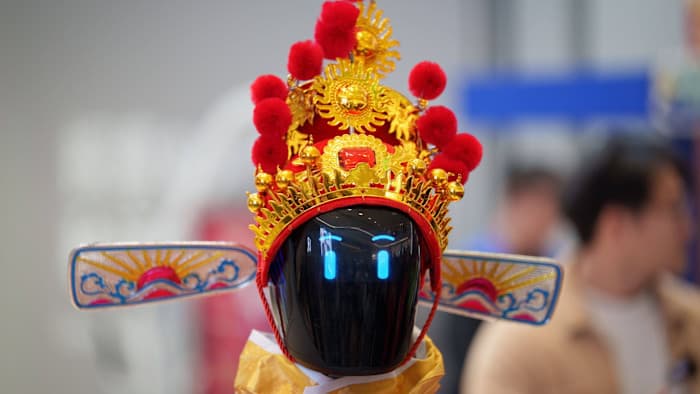
These measures are largely driven by political incentives for local officials, who prioritize job retention and GDP figures to secure promotions over allowing market forces to eliminate failing businesses. This approach has created distortions, with sectors like chips, electric vehicles, batteries, AI, satellites, and humanoid robots showing signs of overcapacity as companies chase government funding.
The implications of China's continued overproduction and export of cheap goods are a growing concern for Europe and the United States, prompting questions about how these economies should respond to the influx of subsidized products.