Home / Business and Economy / China's Gig Economy: Precarious Work, Lost Skills
China's Gig Economy: Precarious Work, Lost Skills
20 Nov
Summary
- Gig economy workers face long hours with little job security.
- Temporary labor is rising in manufacturing, harming skill development.
- Workers lack insurance, benefits, and career advancement opportunities.
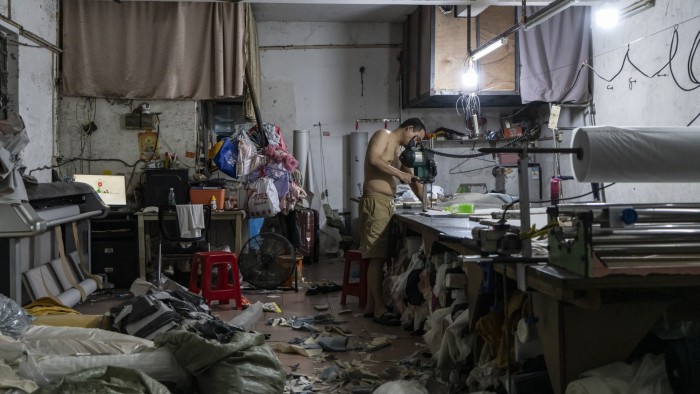
Millions of Chinese workers are navigating the precarious landscape of the gig economy, often facing grueling schedules with minimal security. In manufacturing hubs like Guangzhou, day laborers like Zhou seek work in open-air markets, grappling with low pay for intricate tasks and dedicating up to twelve hours daily, seven days a week. This reliance on short-term labor is growing, with temporary workers potentially comprising 31% of the manufacturing sector.
This shift towards flexible employment, while offering immediate benefits like higher hourly wages for employers, leaves workers vulnerable. Many lack contracts, workplace insurance, and opportunities for training or skill advancement, confining them to low-skilled assembly tasks. Experts warn this trend could lead to a significant skills deficit and impede social mobility for a large segment of the workforce.