Home / Business and Economy / China's Robot Revolution: Jobs or Jobless?
China's Robot Revolution: Jobs or Jobless?
14 Dec
Summary
- China leads globally in industrial robot market share.
- Human judgment is still vital for complex manufacturing decisions.
- Small businesses face financial hurdles in automation adoption.
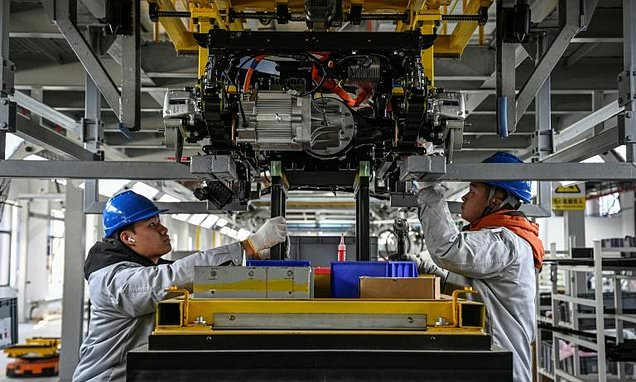
China is solidifying its position as a global leader in industrial robotics, with significant government investment fueling advancements in automation and artificial intelligence. Despite the emergence of largely humanless 'dark factories,' the practical implementation often involves a hybrid approach. Human decision-making and specialized skills remain essential in advanced manufacturing processes, particularly for tasks requiring nuanced judgment.
The widespread adoption of automation is creating a "digital divide." Larger corporations can afford substantial modernization, while smaller and medium-sized enterprises face financial constraints that limit their ability to invest in new technologies. This disparity affects their competitiveness and capacity to take on larger orders, even as they strive to improve efficiency.
Navigating the potential for job displacement is a key concern. While companies may see reduced labor costs, governments face pressure to manage employment stability amidst a growing workforce. The optimal balance between technological advancement, social responsibility, and economic necessity will shape China's manufacturing landscape moving forward.