Home / Business and Economy / China Mandates Green Energy Use for Top Firms
China Mandates Green Energy Use for Top Firms
4 Aug
Summary
- China enacts mandatory renewable energy consumption targets.
- Key energy-intensive industries must meet strict green use baselines.
- Green Electricity Certificates become legally binding compliance tools.
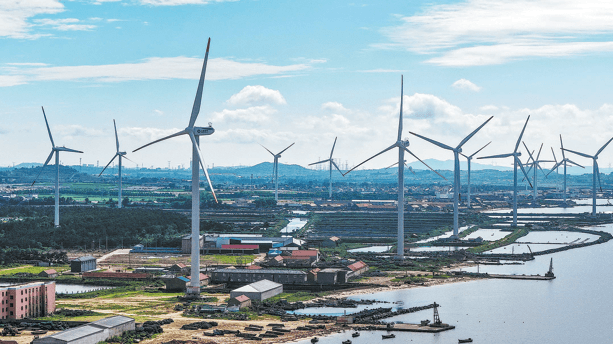
China has initiated a significant pivot in its green energy strategy by implementing mandatory minimum consumption targets for renewable energy, effective from Saturday. This policy marks a paradigm shift from its previous supply-driven expansion model to a demand-led integration approach, crucial for meeting its carbon peak and neutrality objectives.
The new framework requires key energy-intensive industries, including those in aluminum, steel, cement, and data centers, to adhere to strict, quantifiable baselines for renewable energy usage within their overall energy mix. This elevates green power procurement capabilities into a core competitive advantage for these enterprises.
Furthermore, the regulation now legally integrates non-electric renewable consumption, such as green hydrogen and biomass heating, into national assessments. Green Electricity Certificates (GECs) have been transformed into legally binding compliance instruments. Companies failing to meet their renewable energy targets must purchase GECs or face penalties, including public reprimands and credit downgrades.
This move is designed to boost market demand for green power and GEC trading, fostering a stable and predictable green premium. The future value of GECs will be determined by their availability, verifiability, and alignment with carbon markets and international supply chain standards, rather than solely by supply volume.


