Home / Business and Economy / China's EV Battery Tax Cut Sparks Indian Price Hikes
China's EV Battery Tax Cut Sparks Indian Price Hikes
20 Jan
Summary
- China is reducing export tax rebates on lithium-ion batteries, impacting India.
- This policy shift coincides with rising lithium prices and narrowing EV tax benefits.
- Indian EV makers may pass on higher costs, affecting vehicle affordability.
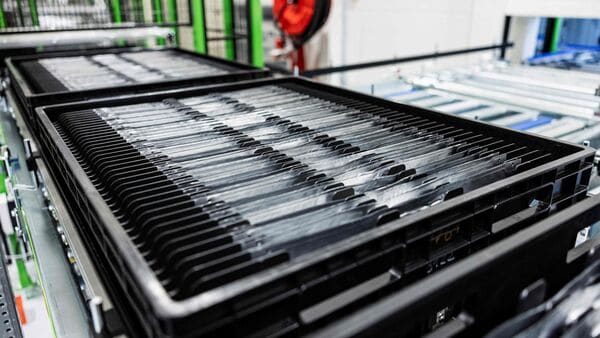
A recent policy change in Beijing is poised to escalate electric vehicle (EV) prices across India, even as the tax incentives for EVs over traditional combustion engines diminish. China's decision to lower its export tax rebate on lithium-ion batteries from 9% to 6% effective April 1, 2026, with a full phase-out within a year, poses a significant challenge for Indian EV manufacturers. These companies depend heavily on Chinese suppliers like BYD and CATL for batteries, which constitute over a third of an EV's cost.
This development arrives at a critical juncture for India's burgeoning EV sector. The tax differential between EVs and internal combustion engine (ICE) vehicles has already narrowed due to a reduction in GST on ICE vehicles. The impending increase in battery costs, driven by both China's rebate withdrawal and a global surge in lithium prices, could force Indian automakers to raise their vehicle prices. The price of lithium carbonate, a key battery raw material, saw a substantial 58.1% increase in 2025, exacerbated by the closure of a significant Chinese lithium mine.