Home / Business and Economy / Canada's Frozen Port: A Gateway to Global Trade?
Canada's Frozen Port: A Gateway to Global Trade?
30 Apr
Summary
- Churchill Port aims to be a vital shipping route to Europe.
- Canada's government has invested significantly in port restoration.
- Debate continues on the economic viability of year-round operations.
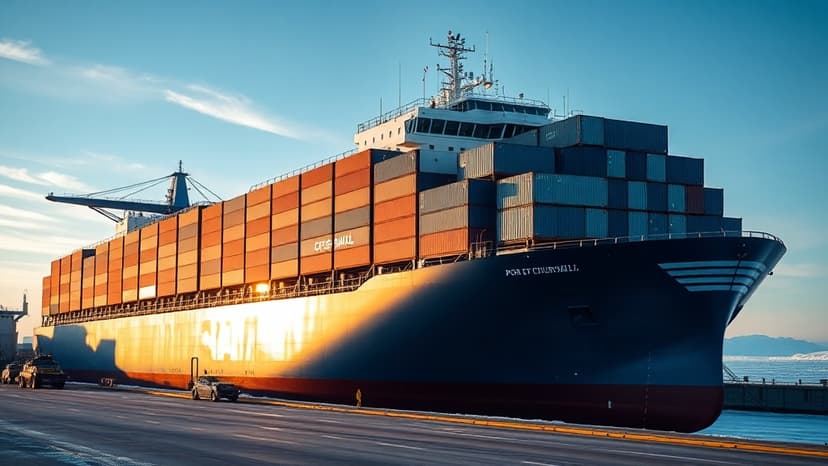
The Port of Churchill, Canada's sole Arctic deep-water seaport, is being revitalized with ambitions to serve as a critical link for international trade. Historically operational for only four to five months annually due to its sub-Arctic climate, the port is now the focus of government investment aimed at expanding its capabilities. This initiative seeks to leverage its strategic position on Hudson Bay for faster cargo routes to Europe, Africa, and South America, potentially shipping resources like critical minerals and liquefied natural gas (LNG).
Significant modernization efforts have been undertaken since the Arctic Gateway Group, a consortium of indigenous and community organizations, assumed ownership in 2018. Ottawa has allocated C$320 million for maintenance and restoration, including upgrading the railway and port infrastructure. This investment aims to create jobs and enhance the quality of life in Churchill, a remote town of about 1,000 residents, while also strengthening Canada's Arctic sovereignty.
Experts and local officials are divided on the port's long-term economic viability, particularly regarding year-round operations. While the goal is to begin shipping gas by 2030, studies are ongoing to assess the feasibility of extending the shipping season beyond the current summer months. Challenges include unpredictable ice formation in Hudson Bay and the need for advanced icebreaker technology, which Canada currently lacks compared to nations like Russia.
Concerns also persist regarding potential impacts on local wildlife and the tourism industry, which the town, known as the Polar Bear Capital of the World, heavily relies on. Balancing economic development with environmental preservation is a key consideration. Despite uncertainties, the port's strategic importance and potential for niche markets, such as stockpiling strategic minerals, are being explored, with international interest from partners like the Port of Antwerp-Bruges.
While the port's expansion is a key project for Prime Minister Mark Carney's economic growth plans, it has not yet secured immediate federal support, indicating its future remains subject to further evaluation. The port, a long-standing symbol of Canadian Arctic maritime aspirations, faces scrutiny over its business case. Canada's current geopolitical landscape and shifting global trade dynamics may influence its ultimate success.


