



Home / Business and Economy / Camel Milk: Australia's Next Superfood Export?
Camel Milk: Australia's Next Superfood Export?
22 Feb
Summary
- Australian camel farms are developing productive herds for export.
- Camel milk is marketed as a superfood due to its health benefits.
- Feral camel management remains a complex challenge for Australia.
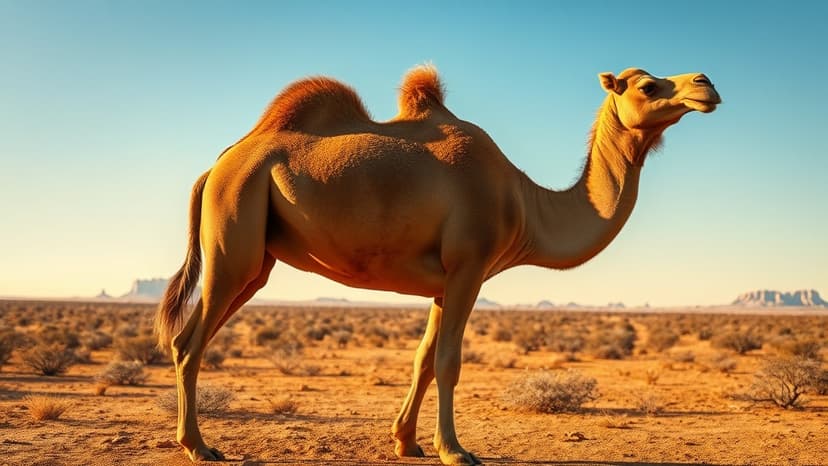
Australian camel farms, like Paul Martin's operation in Queensland, are cultivating specialized herds to meet a growing international demand for camel milk. This milk, a traditional staple in African and Arab communities, is increasingly being positioned as a 'superfood' in Western markets, particularly in the United States. Martin's farm is a pioneer, aiming to export 60,000 liters this year by improving herd genetics for higher milk yields.
Camel milk offers distinct advantages, including natural homogenization and a protein profile that is less allergenic than cow's milk, making it suitable for individuals with allergies and certain health conditions. This has fueled its market appeal for wellness and gut health diets. The industry faces a unique challenge in Australia: managing its vast population of feral camels, estimated at over half a million.
While some advocate for commercial use to help control feral populations, experts like Dr. Carol Booth argue that culling is the only effective method for managing the environmental damage caused by these animals. The Australian government's past culling efforts and subsequent reviews highlight the logistical and economic difficulties of mustering feral camels across remote areas. Despite these challenges, there is a recognized preference for exploring commercial uses that can contribute to population control in targeted regions, with a recommendation for the industry to focus on captive herds.
