Home / Business and Economy / Bank of England Warns: AI, Iran Conflict Pose Threats
Bank of England Warns: AI, Iran Conflict Pose Threats
30 Sep
Summary
- Rising geopolitical tensions and AI debt increase financial system risks.
- Higher oil and gas prices contribute to a protracted negative supply shock.
- Bank of England will consult on bank leverage and gilt repo market rules next year.
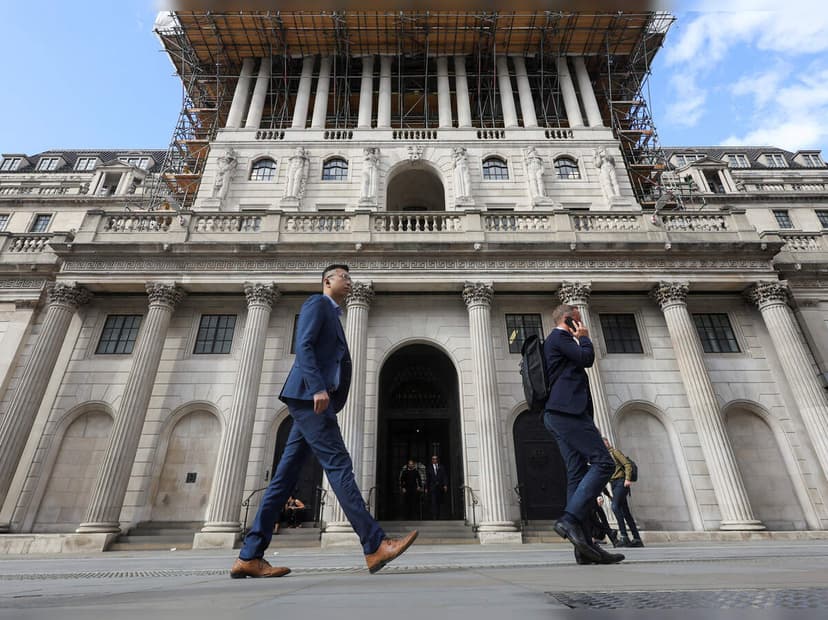
The Bank of England's Financial Policy Committee (FPC) has signaled a heightened risk of interconnected financial system weaknesses crystallizing. This elevated risk profile stems from geopolitical developments, notably the re-escalation of conflict in Iran, which has contributed to rising oil and gas prices. These price increases have, in turn, pushed bond yields to levels not seen since 2008.
Governor Andrew Bailey has also expressed significant concerns regarding Artificial Intelligence (AI), emphasizing the need for rigorous model testing before widespread deployment. The FPC noted a rapid increase in AI-related debt issuance, which has amplified capital markets' exposure to AI developments. Despite recent market resilience, the potential for a sharp adjustment persists, leading the FPC to maintain its Countercyclical Capital Buffer at 2%.
Looking ahead, the Bank of England plans to initiate consultations early in 2027 regarding proposed changes to bank leverage rules and gilt repo market regulations. These reforms aim to enhance the resilience of the gilt repo market, which experienced significant stress during past crises. The central bank has previously faced industry pushback on similar proposals, with some reforms expected to take considerable time.


