Home / Business and Economy / Bloom Energy Surges 13% on AI Data Center Hopes
Bloom Energy Surges 13% on AI Data Center Hopes
12 Nov
Summary
- Bloom Energy stock jumped 13%, adding $7 billion market value.
- CoreWeave's strong revenue eased AI data center build concerns.
- A retiree's investment saw a $24,050 gain in one session.
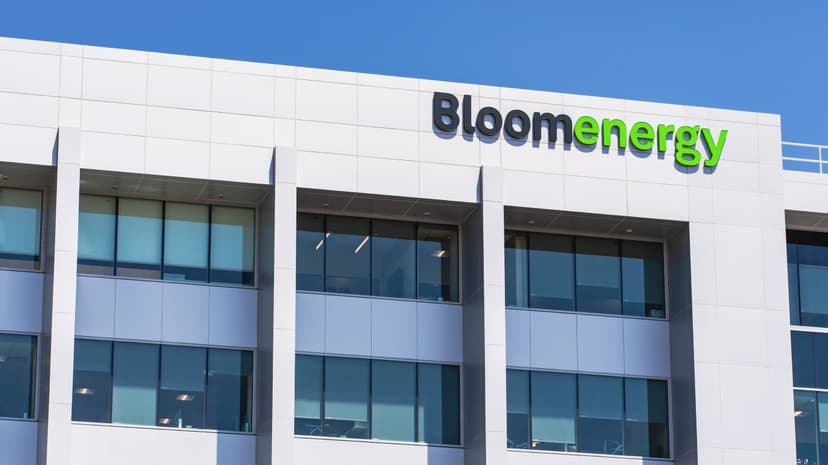
Bloom Energy experienced a significant stock price increase on November 12, 2026, closing up 13% and adding approximately $7 billion to its market capitalization. This surge was largely attributed to strong quarterly revenue reported by CoreWeave, a major player in AI computing capacity rental. CoreWeave's positive financial outlook and substantial customer prepayments reassured markets about the continued expansion of AI data centers.
The performance of Bloom Energy, which supplies on-site power solutions to data center builders, is closely tied to the ongoing construction and operation of these facilities. With major contracts from companies like Oracle and NTT Data, any indication of continued data center development directly benefits Bloom Energy's order book. The stock's recent jump occurred despite it still being 39% below its June 22, 2026, record high.
The article highlights a specific investor, a retiree who bought 1,000 shares of Bloom Energy in March 2026 at $9.03. This position saw a gain of $24,050 on November 12, 2026, underscoring the stock's volatility. While the current gain is substantial, the retiree's investment remains significantly below its peak value from June 2026.
Historically, Bloom Energy has demonstrated significant volatility, with the stock halving its value from previous highs multiple times since its 2018 IPO. Past recoveries from such deep drawdowns have taken considerable time, with previous instances requiring 2.3 and 4.5 years. While recent performance suggests a tendency for the stock to rise in the six months following sharp gains, the long-term recovery from major downturns has been protracted.
Bloom Energy's own third-quarter 2026 financial results showed substantial year-over-year revenue growth and improved profit margins, with the company raising its 2026 revenue forecast. Despite these positive internal metrics, the company's substantial unsatisfied performance obligations indicate a continued need to secure new contracts to maintain its growth trajectory. External factors, such as regulatory considerations in Texas, also play a role in the company's outlook.


