Home / Business and Economy / Blinkit Drops 10-Minute Promise: Delivery Lives Unchanged
Blinkit Drops 10-Minute Promise: Delivery Lives Unchanged
13 Jan
Summary
- Dark stores, not speed, enable quick commerce deliveries.
- Gig workers earn low wages despite long hours and risks.
- Dropping 10-minute branding may not alter customer or worker lives.
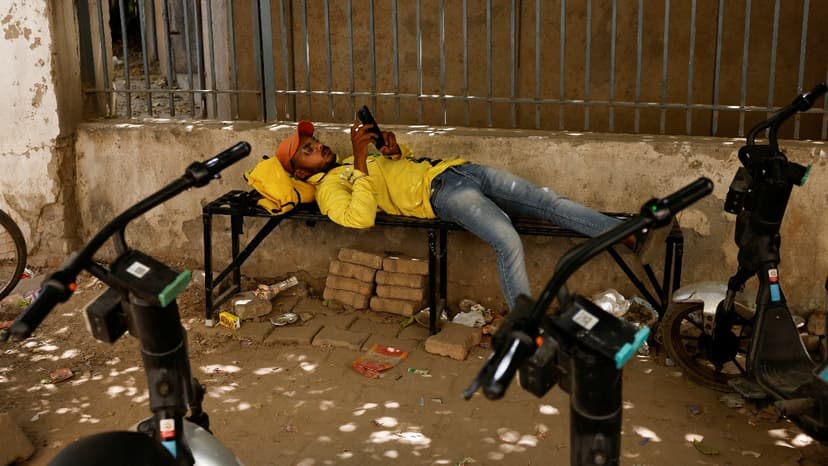
Blinkit's decision to cease its 10-minute delivery branding, spurred by gig worker strikes and government attention, highlights a shift in quick commerce marketing. The company's founder clarified that delivery efficiency stems from the density of its dark stores, which are hyperlocal warehouses stocked with popular items, rather than demanding excessive speed from delivery partners. Orders are typically picked and packed within 2.5 minutes, with riders covering an average of under 2 kilometers in about 8 minutes.
The reality of delivery times varies significantly. For customers living very close to a dark store, 10-minute deliveries are feasible, but for others, the average delivery time extends to 15-19 minutes, debunking the universal promise. This myth often leads to delivery partners rushing, driven by the desperation to complete numerous orders to earn a meager income, with many working 12-14 hours daily for around Rs 25,000 per month.
Unions are campaigning for better worker rights, including fair pay, an eight-hour workday, and social security benefits, arguing that current earnings fall below minimum wage standards. While dropping the 10-minute branding might reset customer expectations, it is unlikely to fundamentally alter the challenging conditions faced by gig workers or significantly change the delivery experience for most consumers.