Home / Business and Economy / Bangladesh's Gas Crisis: Factories Idle, Homes Suffer
Bangladesh's Gas Crisis: Factories Idle, Homes Suffer
23 Aug
Summary
- Fertiliser plants shut, threatening food security for 170 million people.
- Garment factories, key to export earnings, reduce production.
- Households face low gas pressure and reliance on wood stoves.
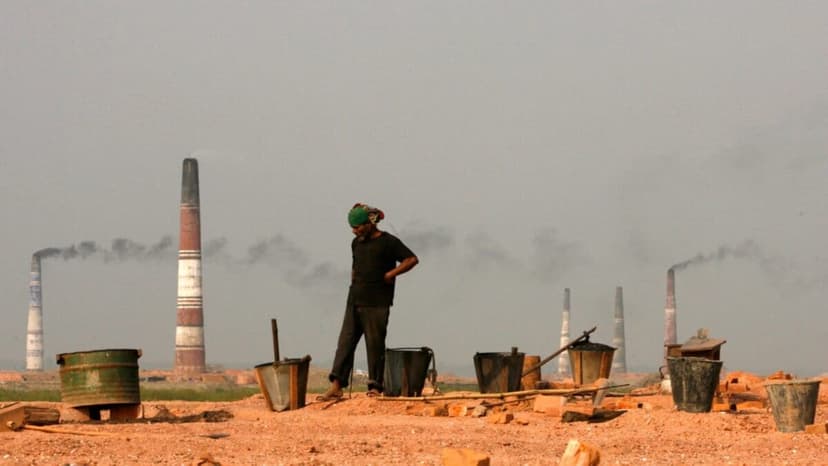
Bangladesh is facing a significant natural gas shortage, impacting its industrial and domestic sectors. The crisis has led to the closure of several major urea fertiliser plants, including the Ashuganj factory, which has been non-operational since March 2025. This shutdown threatens the agricultural output necessary for the nation's 170 million people and impacts food security.
Beyond fertilisers, hundreds of factories, particularly in the vital garment export industry, are curtailing operations. Power plants are struggling to meet demand, resulting in widespread blackouts. Households are experiencing reduced gas pressure, forcing many, especially in rural areas, to resort to wood-burning stoves. Gas-powered rickshaw drivers have also protested fuel scarcity.
This escalating gas crisis stems from years of underinvestment in domestic exploration and increased demand, alongside disruptions to liquefied natural gas (LNG) imports due to Middle East conflicts. A technical issue with an LNG conversion unit further exacerbated supply problems.
Experts advocate for increased domestic exploration, with some suggesting that drilling new wells, though costly, could yield substantial returns. The government is investing in terminals and considering renewable energy as a long-term solution, though a definitive timeline remains unclear.


