Home / Business and Economy / Avocado Trade Cleans Mexican Waterways
Avocado Trade Cleans Mexican Waterways
29 Jul
Summary
- US-Mexico avocado trade deal improved water quality in Mexico.
- Nitrogen pollution in waterways near avocado farms fell 10%.
- Trade standards incentivized reduced pesticide and fertilizer use.
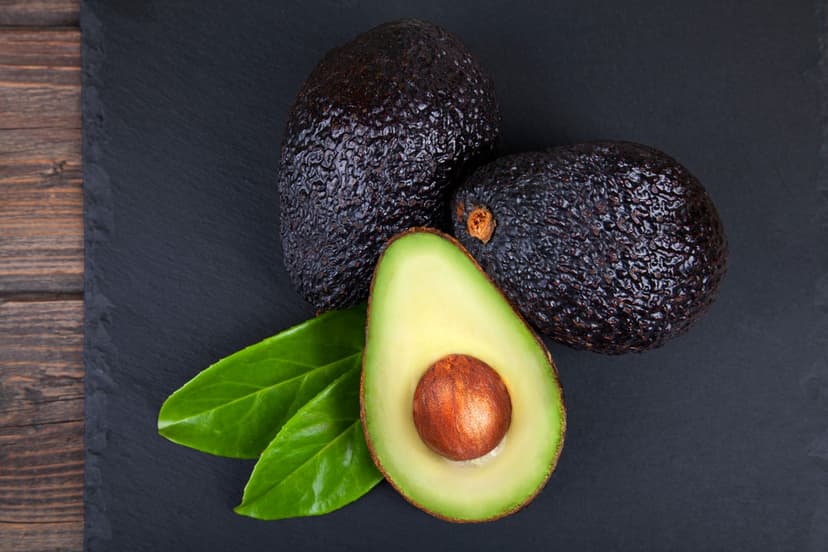
A significant trade agreement between the U.S. and Mexico, implemented in 2016, has led to a notable improvement in water quality in Mexican avocado-growing regions. Contrary to expectations based on the "pollution haven" theory, research indicates that nitrogen concentrations in waterways near these agricultural areas have fallen by approximately 10%.
This environmental progress is attributed to U.S. Department of Agriculture production standards, which required Mexican farms to meet strict requirements for exporting avocados. These standards, including farm certification and pest-free guarantees, incentivized growers to minimize pesticide and agrochemical use. Consequently, reduced reliance on these substances also led to lower application of nitrogen and phosphorus fertilizers.
The reduction in fertilizer runoff has directly contributed to cleaner rivers and streams, mitigating algal blooms and protecting drinking water sources. While this trade policy's success in the unique U.S.-Mexico avocado market offers a positive example, the article notes that similar outcomes may not be guaranteed for other crops or countries. Avocado farming also continues to face challenges, including cartel associations and deforestation.
Nonetheless, the 2016 agreement serves as evidence that well-designed trade policies, with enforceable standards, can foster environmental stewardship. As trade negotiations continue between the U.S., Canada, and Mexico, this case highlights the potential for import conditions to shape environmental practices across borders.


