

Home / Business and Economy / Fuel Crisis: Business Calls for Action
Fuel Crisis: Business Calls for Action
29 Mar
Summary
- Business groups urge governments to reduce fuel demand and support struggling companies.
- A four-point plan suggests securing oil shipping and managing demand.
- Government warns fuel crisis is ongoing and will not end soon.
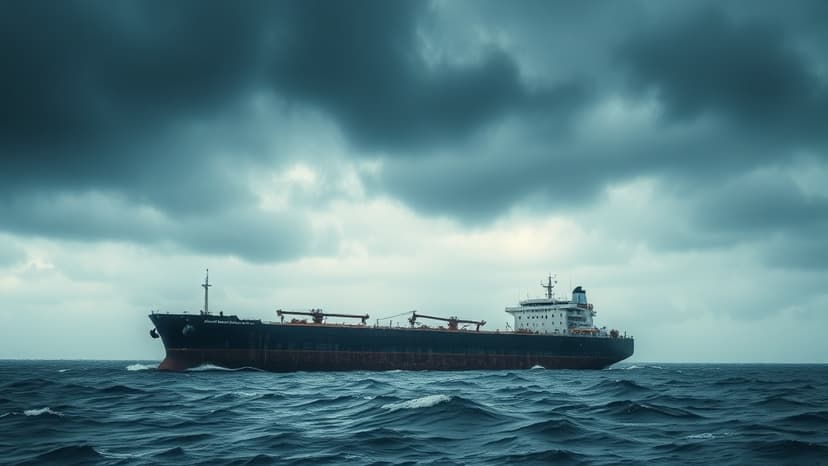
Australian business groups have presented a four-point plan to mitigate the effects of a worsening fuel crisis, emphasizing the need for government intervention to reduce demand and bolster support for affected businesses.
The Australian Chamber of Commerce and Industry (ACCI) and its partners are advocating for enhanced government efforts to secure fuel supplies, including international cooperation to resume oil shipments from the Middle East and improved domestic distribution. They also recommend measures to manage and conserve fuel, suggesting a range of interventions from voluntary actions to more serious measures if necessary.
Various sectors, such as aged care and farming, have already requested government financial assistance to cope with escalating fuel prices. The ACCI's plan includes proposals for cashflow support, financing, and emergency aid. Meanwhile, the government has cautioned that the fuel crisis is persistent, warning that the situation will likely continue for an extended period due to global conflicts impacting oil production facilities.
While the government is exploring options to secure more fuel, it has stated that mandatory measures like petrol rationing are not currently planned. Instead, they encourage voluntary actions and responsible consumer behavior, urging Australians to proceed with holiday plans if financially feasible but to make sensible choices regarding fuel consumption.
Discussions have also emerged regarding expanding domestic oil exploration and production, with some political figures suggesting unconventional methods. Concerns have been raised about the economic impact of the ongoing global conflict, particularly for countries like Australia, which are vulnerable due to their position at the end of long supply chains.
