Home / Business and Economy / Australia's Diesel Crisis: Truckers Stranded, Farms Idle
Australia's Diesel Crisis: Truckers Stranded, Farms Idle
26 Mar
Summary
- Australia consumes 80% more diesel per capita than the US.
- Current diesel stockpiles cover only 30 days, the lowest among IEA members.
- Government subsidies for diesel consumption amount to A$10.8 billion annually.
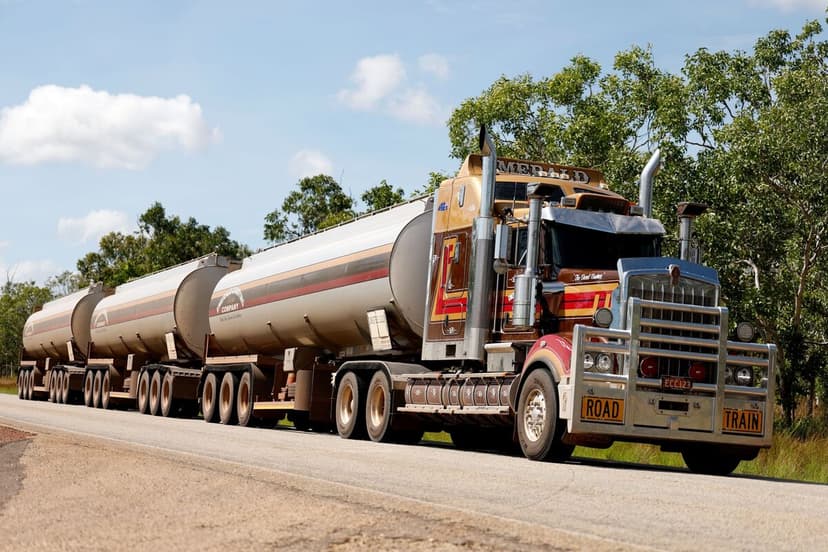
Australia, once economically defined by wool, now faces a significant crisis fueled by its heavy reliance on diesel. Per capita consumption is remarkably high, approximately 80% above US levels, leading to widespread disruptions. Waste collection services are threatened, hundreds of gas stations face shortages, and crucial agricultural operations are postponed due to a lack of fuel for essential machinery.
Global supply chain disruptions, particularly concerning the Strait of Hormuz, have exacerbated the situation, with prices soaring and shortages becoming imminent. Australia's diesel stockpiles are critically low, sufficient for only 30 days, a stark contrast to the 90-day minimum required by the International Energy Agency. This vulnerability is compounded by import dependency and limited exports from key Asian suppliers.
Decades of government complacency and misguided subsidies have worsened the situation. A substantial A$10.8 billion annual diesel rebate program for industrial users is seen as a major drain on the budget and a significant impediment to decarbonization. While other nations are actively adopting electric and solar technologies in industries like mining and agriculture, Australia lags significantly in adopting such innovations.
Some argue that specific sectors like mining and agriculture, along with the vast geography necessitating long-haul trucking, make diesel dependence unavoidable. However, critics point to policy failures, including a lack of domestic oil production and insufficient strategic reserves. Calls to abolish the diesel rebate for large businesses, such as from Fortescue Ltd., suggest redirecting savings towards crucial infrastructure for electrification could foster necessary change.


