


Home / Business and Economy / Luxury SUV Battle: Audi Q5 vs. BMW X3
Luxury SUV Battle: Audi Q5 vs. BMW X3
16 Apr
Summary
- BMW X3 leads in fuel efficiency with an estimated 29 mpg combined.
- Audi Q5 offers more rear legroom and a reclining seatback.
- Both SUVs provide advanced tech and safety features standard.
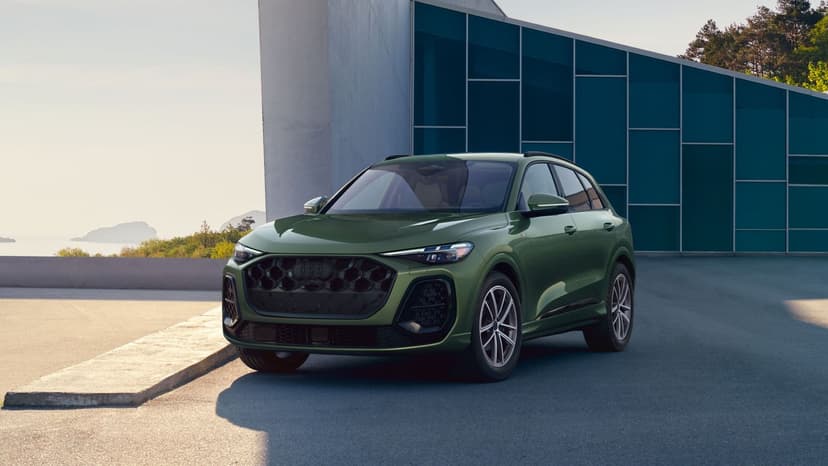
The Audi Q5 and BMW X3 represent popular choices in the small luxury SUV segment, both having received full redesigns last year. The X3 adopted a new design direction, while the Q5 focused on interior technology updates. For standard engines, both feature a turbocharged 2.0-liter four-cylinder, with the Q5 offering a slight horsepower advantage.
In terms of efficiency, the BMW X3 30 xDrive holds a clear lead, with an EPA estimate of 29 mpg combined compared to the Q5's 24 mpg. Ride comfort is generally good for both, though performance packages can affect smoothness. The Audi Q5 provides more rear legroom and a reclining seatback, enhancing passenger comfort over the X3's fixed rear seat.
Cargo capacity is comparable, with editors fitting similar amounts of luggage in both. The Q5 offers flexibility by allowing its 60/40-split rear seat to slide forward for more cargo space. Both SUVs boast large touchscreen infotainment systems with integrated climate controls, wireless charging, and smartphone integration.
Standard safety features are robust on both models, including forward collision warning and automatic braking. The Q5 includes adaptive cruise control as standard, while the X3 offers an optional hands-free highway driving assist. Pricing starts lower for the X3, though the Q5 includes more premium features like all-wheel drive and leather upholstery as standard.
Ultimately, the comparison is very close, with the BMW X3 scoring slightly higher overall. However, the Audi Q5 is recommended for buyers prioritizing ride comfort.
