

Home / Business and Economy / LNG Crisis: Asia's Energy Future Derailed
LNG Crisis: Asia's Energy Future Derailed
17 Apr
Summary
- Middle East war disrupts LNG supply, causing prices to surge.
- Asian nations rethink LNG reliance, investing in renewables.
- Qatar's LNG plant damage may take five years to repair fully.
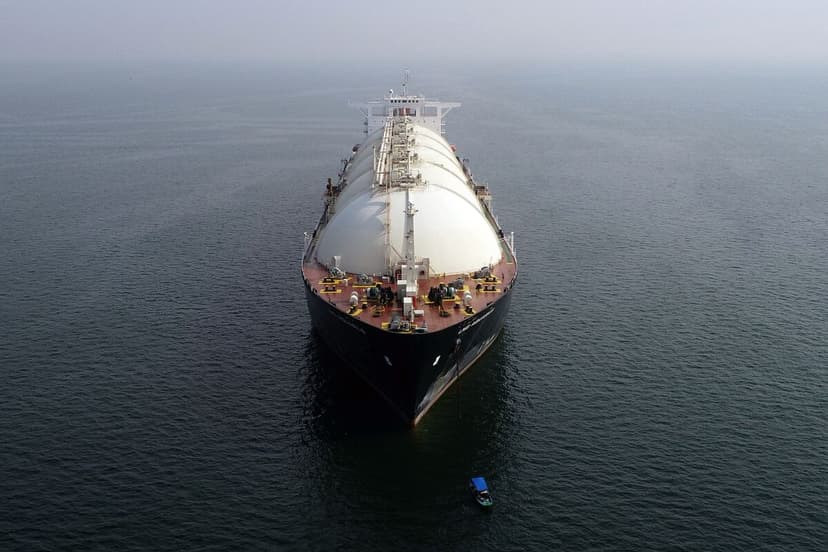
A prolonged conflict in the Middle East has dramatically altered the energy landscape, leading to a severe liquefied natural gas (LNG) crisis and derailing Asia's energy strategies. What was anticipated as a period of lower LNG prices due to increased global supply has instead resulted in soaring costs and supply chain disruptions.
Countries across Asia, including India and Bangladesh, are reconsidering their commitment to LNG imports. Nations like Vietnam and the Philippines are actively seeking alternatives, with some pivoting towards wind, solar, and battery storage. Thailand is prioritizing renewables, while Malaysia and Indonesia are focusing on bolstering domestic gas production and reserves.
The crisis stems from the near-closure of the Strait of Hormuz and significant damage to Qatar's LNG export plant. Full repairs at the Ras Laffan facility are projected to take up to five years, according to reports. This has led to projections of a global LNG output contraction in 2026, a first in over a decade.
Consequently, Asian LNG prices more than doubled post-conflict and remain elevated. Import volumes have fallen to six-year lows, impacting industries and increasing power bills. While this eases pressure on Europe, it poses significant challenges for developing Asian economies heavily reliant on imported gas for electricity generation.
