Home / Business and Economy / Oil Shock Fuels EV Demand Surge Across Asia
Oil Shock Fuels EV Demand Surge Across Asia
20 Mar
Summary
- Higher oil prices create economic incentives for EV transition.
- Asian EV sales have quadrupled in some regions recently.
- Charging infrastructure remains a key barrier to widespread EV adoption.
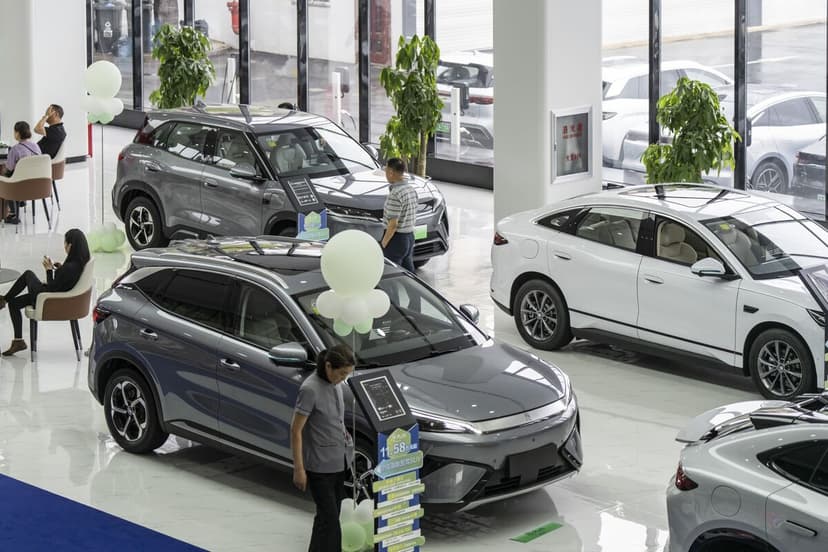
The current surge in oil prices is creating a powerful economic incentive for consumers in Asia to switch to electric vehicles (EVs). This trend is particularly evident in Southeast Asia, where some dealerships have experienced a quadrupling of customer visits and a doubling of EV sales in recent weeks. The higher cost of gasoline is making EVs a more financially attractive option for daily commutes.
Asian EV manufacturers such as China's BYD and Vietnam's VinFast are poised to benefit significantly from this development. While EV adoption has been rising across Asia, especially in China where they constitute over half of auto sales, challenges remain. Analysts highlight that the high upfront cost of EVs outside of China and the current shortfall in charging infrastructure are significant hurdles to sustained growth, though rising oil prices may help equalize the total cost of ownership.
Governments are also responding to the oil price shock. For instance, Laos has implemented emergency measures to reduce EV registration and service fees, while simultaneously increasing them for gasoline-powered cars. China, as the world's leading EV producer, is set to capitalize on the increased demand, with overseas shipments of electric and hybrid vehicles already having more than doubled this year compared to the previous year. This growing demand is also impacting markets like New Zealand and Thailand, with dealers struggling to meet the increased customer interest due to supply constraints.