

Home / Business and Economy / Asia's Energy Crisis Deepens
Asia's Energy Crisis Deepens
28 Apr
Summary
- Asian nations face prolonged energy supply strain due to Middle East conflict.
- Governments are using subsidies and rationing to manage rising energy prices.
- Dwindling stockpiles could impact supply chains and food staples across Asia.
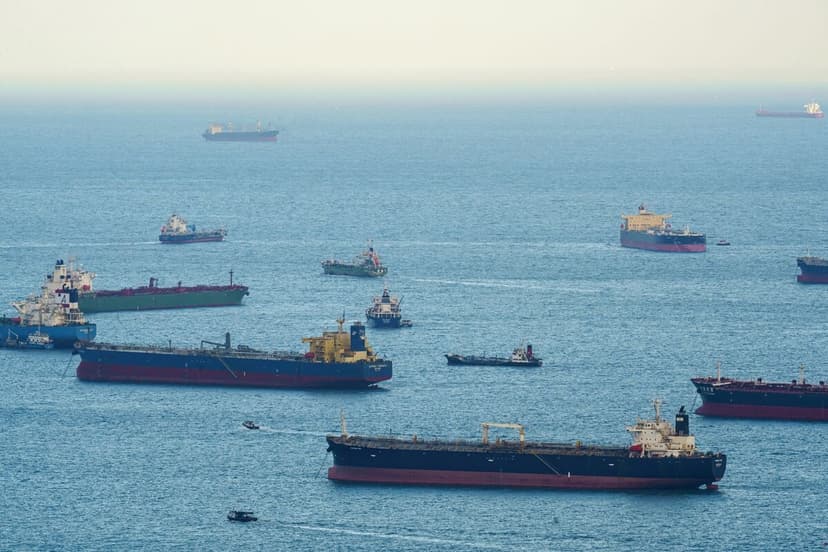
Asian nations are confronting a prolonged strain on their energy supplies due to the ongoing conflict in the Middle East, which has disrupted shipping routes. Governments have responded by increasing subsidies to manage energy prices, implementing fuel use restrictions, and encouraging remote work. These measures, while providing short-term relief, come at a significant fiscal cost. The crisis has highlighted Asia's deep dependence on Middle Eastern energy sources.
Officials are actively seeking alternative oil and gas supplies, including from Russia, to mitigate the impact. However, dwindling energy reserves pose a risk to critical sectors such as Taiwan's chip manufacturing and the region's staple rice production. Experts warn that prolonged disruptions could escalate to widespread blackouts, significant price increases for food and fertilizer, and industrial slowdowns.
Even if key shipping lanes reopen, recovery will take time, underscoring the need for improved fiscal strength and energy security across Asia. The financial impact of repeated shocks, similar to the pandemic and trade disputes, is rapidly depleting national budgets. Consequently, many Asian countries cannot afford an extended period of high prices and supply instability.
