Home / Business and Economy / AM Radio Mandate: Will EVs Keep Their Ears Open?
AM Radio Mandate: Will EVs Keep Their Ears Open?
26 Mar
Summary
- Legislation aims to mandate AM radio receivers in new vehicles.
- AM radio remains vital for emergency communication, proving its worth.
- Technological shifts and changing consumer habits challenge AM radio.
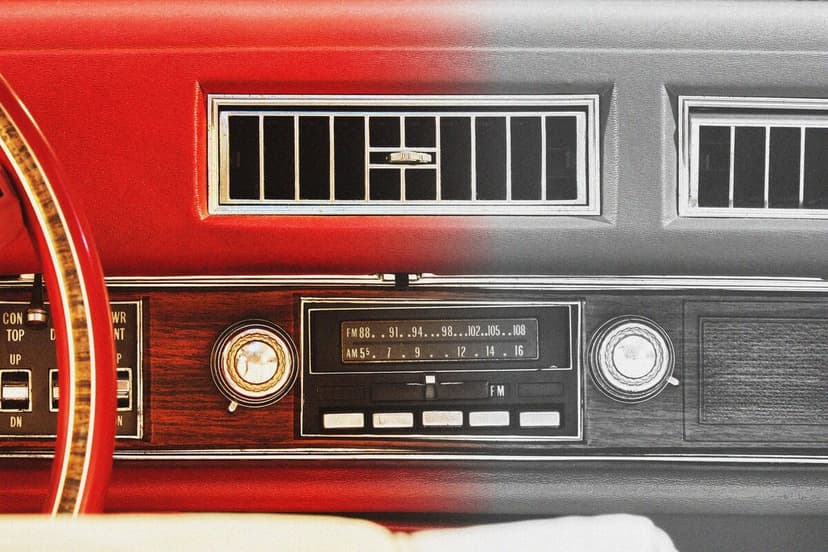
Legislation is advancing in the U.S. Congress to mandate that automakers include AM radio receivers in new vehicles. Senators Ed Markey and Ted Cruz are leading the charge, emphasizing AM radio's critical role in emergency communications. The devastating 2011 Joplin tornado highlighted AM radio's function as an information hub when other communication methods failed. This was demonstrated when a local radio host delivered crucial news to residents.
Despite challenges from satellite radio, streaming services, and podcasts, AM radio continues to serve millions weekly. Supporters argue its unique signal propagation is superior during natural disasters, unaffected by infrastructure damage that impacts cell towers. Ford has already reversed its decision to remove AM radios, restoring them in new models.
Opponents, including the Alliance for Automotive Innovation, view the mandate as supporting a specific business model. However, advocates counter that AM radio remains an irreplaceable platform for diverse voices and essential emergency alerts. Recent efforts to phase out AM radios in electric vehicles were driven by potential interference, but the current legislative momentum suggests a different future.
With bipartisan support in both the Senate and House, and even a nod from former President Donald Trump, the AM Radio for Every Vehicle Act appears likely to pass. This ensures that this long-standing communication medium will remain accessible to drivers, particularly for public safety and local news dissemination.