Home / Business and Economy / Iran War Jolts Global Aluminum Supply
Iran War Jolts Global Aluminum Supply
4 Mar
Summary
- Aluminum industry faces price spikes and potential contract suspensions.
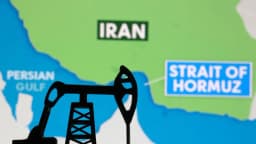
- Disruptions to Strait of Hormuz threaten raw material imports.
- Middle Eastern smelters supply 18% of global demand outside China.
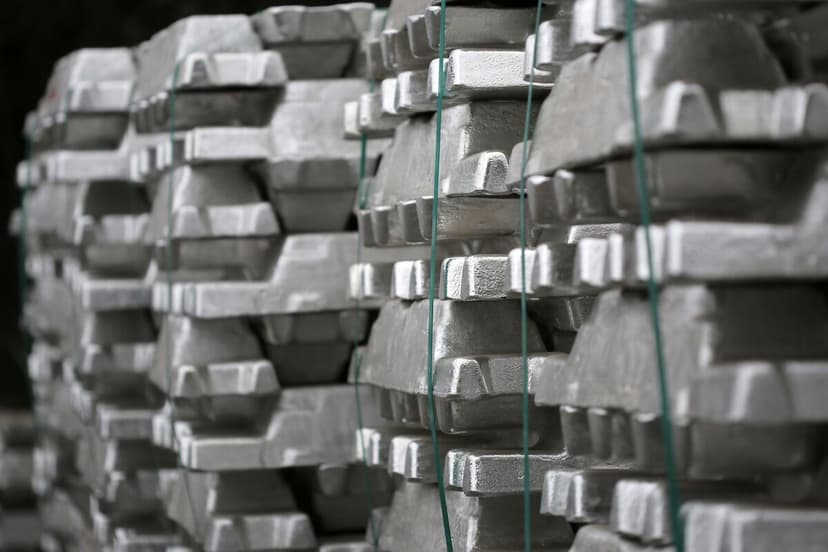
The ongoing conflict in Iran is creating significant turmoil within the global aluminum industry, leading to price surges and anticipations of widespread supply contract suspensions. Aluminum, a critical industrial metal, is experiencing market instability due to potential disruptions in the complex network of bauxite mines, alumina refineries, and smelters. Manufacturers globally are concerned about potential production risks if alumina inventories, typically sufficient for three to four weeks, are depleted by prolonged supply constraints.
Traders report turmoil as shipments through the Strait of Hormuz face effective halts. Aluminum's extensive use in industries from automotive to beverage cans makes it essential for manufacturers, often procured on a just-in-time basis. Despite assurances of naval escorts, skepticism remains about a quick return to normal flows through the critical passageway. This has exposed a severe supply choke point, risking chaos for factories in Europe, Asia, and the US.
Producers in the Middle East are already taking measures, with Qatar's state-owned producer cutting output and the UAE's top supplier seeking external stock. Traders are drawing down inventories from exchange warehouses, with expectations of formal contract suspensions from Gulf region producers within days. Aluminum prices on the London Metal Exchange have rallied, with investors and analysts highlighting the commodity's exposure to the conflict.
This current instability is superimposed on existing supply challenges, including Chinese output caps and smelter outages affecting Western markets. Historically, Gulf states developed smelters leveraging abundant energy. Middle Eastern smelters provide approximately 18% of the global demand outside China. A prolonged closure of the Strait of Hormuz could impact over 7 million tons of production in the region.
Physical premiums for aluminum in Europe have surged, and further increases are anticipated if the conflict persists. Low inventory levels in Europe were exacerbated by these tensions. The situation could lead to force majeure declarations on commercial contracts, allowing producers to suspend deliveries. Within weeks, smelters may need to curtail output due to raw material shortages, especially since over two-thirds of their alumina imports pass through Hormuz.
Qatar's decision to halt aluminum production due to natural gas shortages has already impacted the market, with its joint venture partner declaring force majeure. This move, reminiscent of the 2022 energy crisis's impact on Europe's aluminum sector, could require six to 12 months for a full restart. The market is also contending with other supply disruptions, including the imminent shutdown of Mozambique's Mozal smelter and a ban on Russian imports. The duration of the Iran conflict will ultimately dictate the extent of price and premium movements.