

Home / Business and Economy / Airlines Brace for Jet Fuel Surge Amidst US-Iran Tensions
Airlines Brace for Jet Fuel Surge Amidst US-Iran Tensions
5 Mar
Summary
- Airlines are increasingly hedging crack spreads for better jet fuel protection.
- Consumer hedging surged due to US-Iran conflict and rising oil prices.
- Some carriers have shifted from Brent-linked contracts to jet fuel swaps.
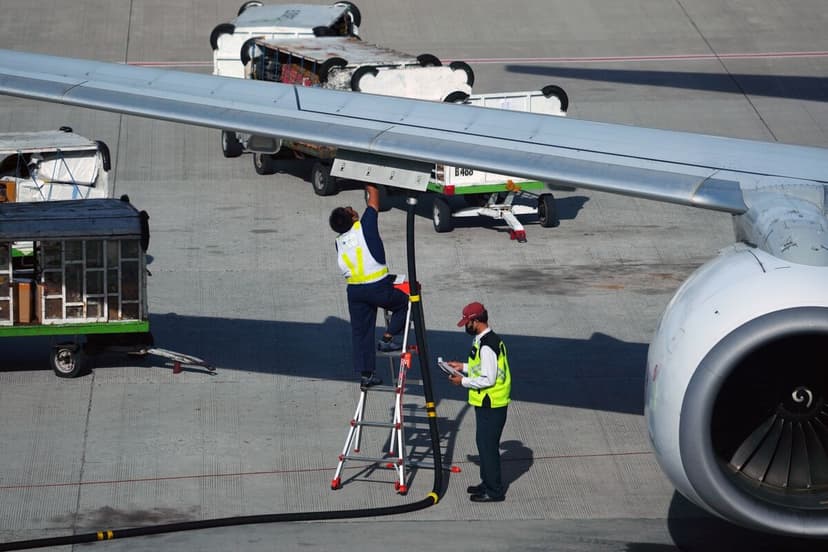
Airlines are increasingly turning to crack spread derivatives to hedge against surging jet fuel prices, a shift driven by the recent US-Iran conflict and escalating oil costs.
This strategic move comes as Brent crude prices topped $80 a barrel, threatening significant disruptions to vital oil-shipping routes and elevating concerns about fuel expenses, which represent a major operational cost for carriers.
Traditional hedging methods using Brent and gasoil have proven less effective against swings in refining margins, prompting major airlines to adopt more direct crack spread hedging. This approach provides better protection when the gap between jet fuel and crude oil prices widens.
Companies like IAG SA have already seen their projected annual fuel bills rise due to these tensions. While US airlines have historically shied away from such derivatives following past losses, European, Middle Eastern, and African carriers continue to utilize them, albeit with evolving strategies.
Air New Zealand, for instance, restructured hedges to favor jet fuel swaps over Brent-linked contracts to better navigate current market volatility and uncertainty.