Home / Business and Economy / AI Agents Reshape HR: Job Cuts or Rebalancing?
AI Agents Reshape HR: Job Cuts or Rebalancing?
29 Aug
Summary
- AI could reduce HR head counts by 30% to 50% by 2030.
- HR's complexity with 250+ roles may prevent widespread job loss.
- Aggregate HR job postings remain flat, indicating a rebalancing.
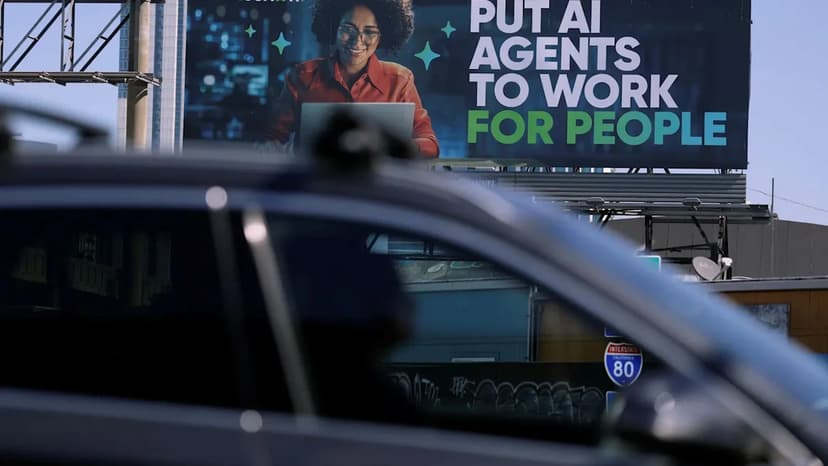
By 2030, artificial intelligence agents could lead to a significant reduction in HR department head counts, potentially by 30% to 50%. This projection stems from AI's capacity to undertake numerous HR tasks, a capability that is driving CEO interest in productivity gains. However, the multifaceted nature of HR, which includes more than 400 distinct skills and over 250 specialized roles, complicates a straightforward implementation of AI.
Despite fears of widespread job elimination, current trends indicate a rebalancing within the HR profession rather than a decline. Aggregate job postings for HR roles have remained stable, suggesting a shift in responsibilities. AI agents are expected to automate routine operational tasks, such as information retrieval or payroll adjustments, freeing up HR professionals to focus on more strategic initiatives like identifying process improvements and enhancing employee experiences.
The integration of AI in HR is likely to adopt a 'human in the loop' approach, particularly for entry-level positions. This model ensures human oversight for checking AI outputs and maintaining systems. While companies initially experienced inflated headcounts during the pandemic, recent layoffs are primarily attributed to this overhiring, not directly to AI's current impact. Ultimately, human oversight will remain crucial for instructing and managing AI agents effectively.


