

Home / Business and Economy / 7-Eleven Reshapes Network: 645 Stores Slated for Closure
7-Eleven Reshapes Network: 645 Stores Slated for Closure
13 Apr
Summary
- 645 convenience stores will close by fiscal 2026.
- Some closures will be converted into wholesale fuel stores.
- IPO delay prompts a leaner, cost-disciplined business strategy.
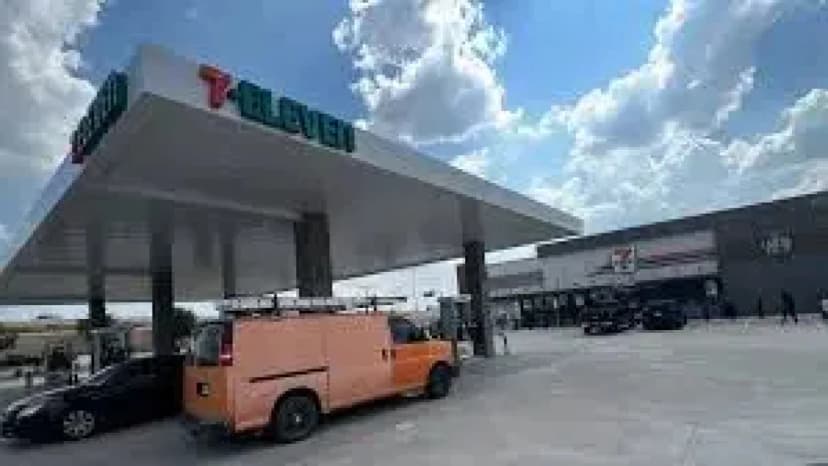
Seven & i Holdings, the parent company of 7-Eleven, is initiating a substantial reconfiguration of its convenience store network. By fiscal year 2026, a total of 645 stores are slated for closure. This move represents more than just a trimming of underperforming sites; it signifies a broader strategic reset of the retailer's physical footprint.
A key aspect of this strategy is the conversion of some of these locations into wholesale fuel stores. This approach allows the company to potentially reduce operating costs while still capitalizing on fuel sales, often by leasing the site to a tenant. This dual strategy of closure and conversion aims to protect profitability and preserve asset value.
The timing of these changes is significant, occurring against the backdrop of a delayed initial public offering (IPO) for the company, which has been postponed by at least 11 months due to market uncertainty. The planned store closures and conversions are viewed as a measure to instill tighter cost discipline and make the business leaner in preparation for the eventual public listing.
This operational shift is not unique, as other convenience store operators like Arko Corp. have pursued similar strategies, converting sites to reduce operational pressures while maintaining fuel revenue streams. Seven & i's director and CFO has indicated other cost-saving measures, including productivity improvements and in-house maintenance, are also being implemented.
The company's plan balances multiple objectives: cutting costs, keeping fuel assets productive, and focusing on larger, food-centric store formats. While the total number of stores may decrease, the aim is to create a more selective and efficient portfolio. The exact number of stores slated for conversion versus outright closure remains undisclosed, but the overall direction points to a deliberate operational reset focused on profitability and market readiness.
