
Home / Business and Economy / Food Prices to Soar 50% by November, Experts Warn
Food Prices to Soar 50% by November, Experts Warn
6 May
Summary
- Food prices may surge 50% by November since 2022.
- Soaring oil and gas costs are key drivers of food inflation.
- Lower-income families will disproportionately bear the cost burden.
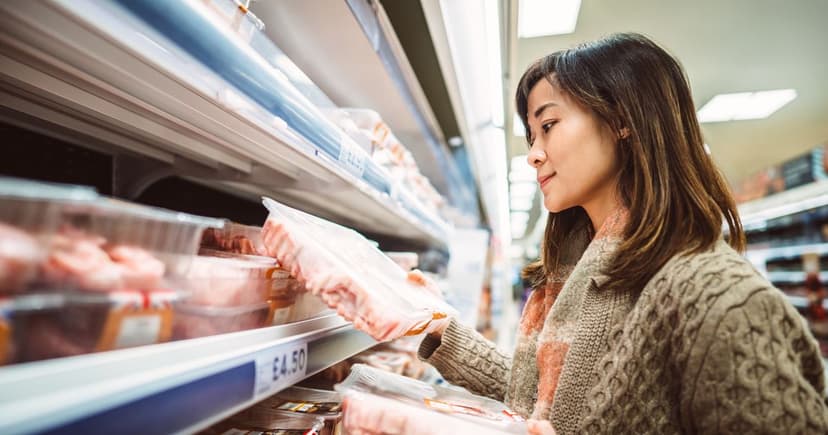
An industry expert has cautioned that a reduction in food costs for Britons is highly improbable in the immediate future. Projections suggest food prices could increase by a significant 50% by November, compared to their 2022 levels, a rate previously taking two decades to achieve.
The Energy and Climate Intelligence Unit (ECIU) attributes these dramatic price hikes in essentials like pasta, chocolate, and eggs to escalating oil and gas costs. These are linked to Russia's invasion of Ukraine, Brexit, and the lingering effects of the Covid-19 pandemic. Beef, olive oil, and frozen vegetables have also seen notable price increases.
Additional factors contributing to the rising cost of groceries include severe weather patterns and increased prices for synthetic fertilisers. Throughout 2022 and 2023 alone, the average cost of food increased by £605.
Chris Jaccarini of the ECIU stated that food prices, once elevated, typically do not decrease substantially, only partially. Affordability, he explained, is primarily restored when wage growth surpasses food price inflation. The food industry anticipates food inflation to reach 10% by November, following approximately 19% inflation in 2023.
Jaccarini emphasized that mitigating future crises, such as by transitioning to net zero emissions, is crucial. This would reduce reliance on volatile fossil fuels and help stabilize the climate, thereby lessening weather-related impacts on agriculture.
Specifically, the analysis highlighted five products with substantial price increases: butter, milk, beef, chocolate, and coffee, all rising over four times faster than other food and drink items. Beef prices climbed 64%, and olive oil more than doubled.
These items are particularly susceptible to volatile energy prices, fertiliser costs, and climate impacts like droughts and heatwaves, affecting both the UK and key import regions.
Lower-income households are expected to bear the brunt of these rising food costs. They spend a larger proportion of their income on food, forcing them to cut back significantly. This can lead to reduced meal consumption, increased diet-related illnesses, and greater pressure on public services and the workforce.
Anna Taylor, executive director of the Food Foundation charity, echoed these concerns, warning that families on the lowest incomes have limited options, often resulting in skipped meals and detrimental health outcomes.
