
Home / Business and Economy / Fueling Cars With Food: Oil Prices Spike
Fueling Cars With Food: Oil Prices Spike
1 May
Summary
- Cooking oil prices hit a two-year high due to biofuel demand.
- Governments are increasing biofuel use to address energy gaps.
- Critics warn biofuels may prioritize fuel over food supplies.
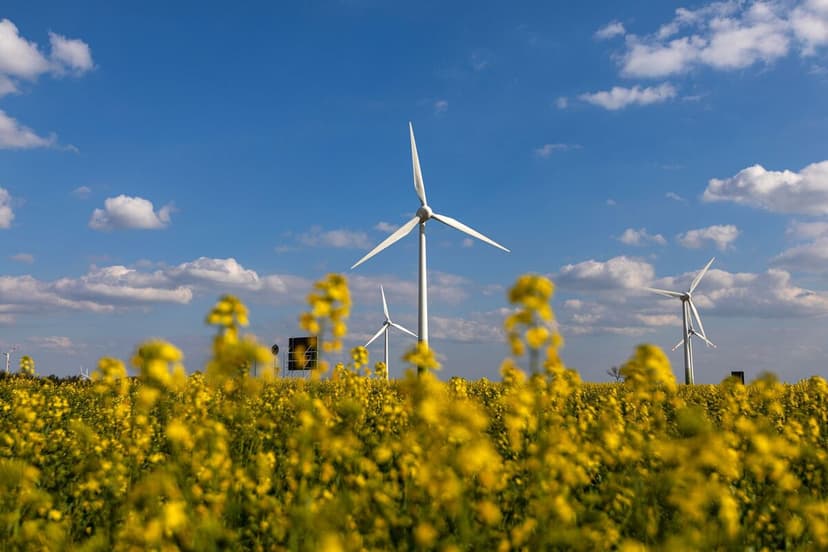
The escalating conflict in the Persian Gulf has triggered a significant surge in cooking oil prices, reaching their highest point since Russia's full-scale invasion of Ukraine in February 2022. This price hike is largely attributed to heightened expectations for biofuel demand. Biofuels, derived from crops like sunflower, canola, and soybeans, are increasingly being adopted by governments globally as they seek to mitigate energy supply gaps.
Nations such as Indonesia, Malaysia, Thailand, and Brazil are actively expanding their biofuel initiatives, including diesel blends and ethanol. In the United States, there are calls to permit year-round sales of higher-ethanol gasoline. While biofuels offer potential benefits like supporting domestic agriculture and reducing fossil fuel emissions, critics voice concerns about a potential conflict between fuel and food production.
These critics warn that an expanded focus on biofuels could lead to increased food price volatility, especially impacting regions like Africa and Asia. The current rise in crop prices is already affecting consumers, with Japanese food processor Showa Sangyo increasing cooking oil prices by over 25%. Street vendors in India are also struggling with rising fuel costs, which threaten to worsen the situation.
