Home / Arts and Entertainment / Zagreb's Walls Speak: A Street Art Safari
Zagreb's Walls Speak: A Street Art Safari
25 Mar
Summary
- Zagreb embraced street art, evolving from wartime expression to cultural icon.
- Street art offers raw energy, contrasting with polished gallery exhibitions.
- The city, once risking police action for graffiti, now celebrates its artists.
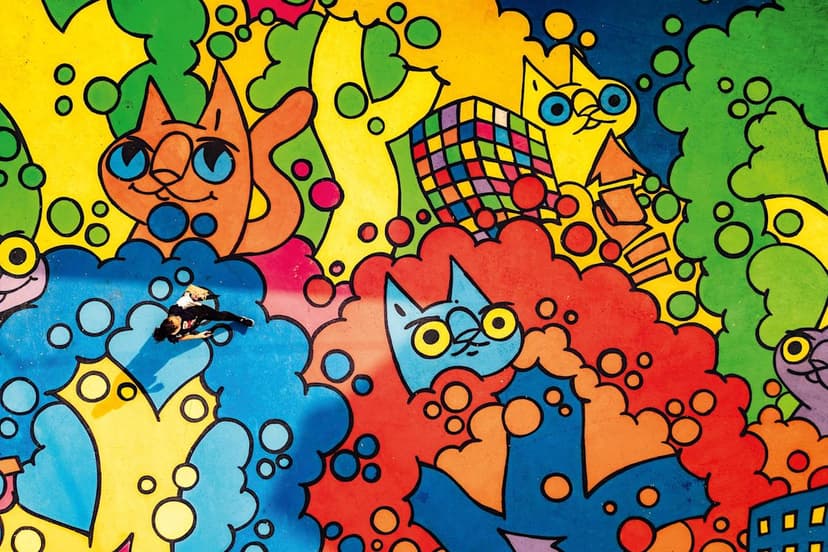
Zagreb, Croatia's capital, boasts a dynamic street art scene that began in 1992 amid wartime turmoil, evolving into a form of community expression. The city, a pioneer in Eastern Europe for adopting New York-style graffiti in 1983, is now recognized for its artistic and economic progressiveness.
Street art in Zagreb offers a raw, energetic experience, with interventions like a mayonnaise bottle referencing Maurizio Cattelan's banana art, symbolizing the economic madness after joining the euro in 2023. This raw expression contrasts with the polished nature of art displayed in galleries.
Once a risky endeavor involving potential police beatings or jail, graffiti is now a source of civic pride. Locations like the Pri Nami garden bar and the derelict Medika factory, a former pharmaceutical plant, serve as hubs for this countercultural movement, hosting festivals and showcasing new works regularly.
From paste-ups of Nikola Tesla with a red mohican to murals commenting on homelessness, Zagreb's street art reflects its progressive spirit. The city's historic architecture now serves as a backdrop to this living history, revealing a renegade side that complements its traditional beauty.