Home / Arts and Entertainment / Tate Modern: Dance's Quiet Revolution Turns 60
Tate Modern: Dance's Quiet Revolution Turns 60
11 Jul
Summary
- Yvonne Rainer's Trio A redefined dance 60 years ago.
- It features everyday movements and stripped theatricality.
- Performers move at their own pace, creating unique renditions.
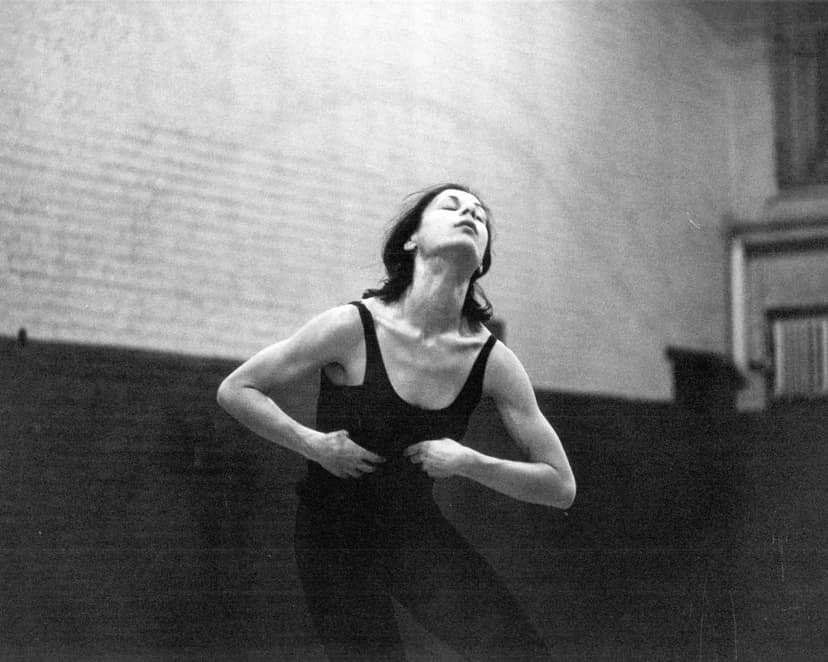
Yvonne Rainer's seminal work, Trio A, is being celebrated at Tate Modern, marking the 60th anniversary of its groundbreaking debut. This influential piece, first performed in New York, introduced everyday movements into choreography and shed traditional theatrical elements, revolutionizing dance as an art form.
Each performance of Trio A lasts approximately five minutes, featuring dancers executing a strict choreography. A key innovation is that each performer is allowed to move at their own pace, leading to unique tempos and transitions. This deliberate lack of synchronization allows individual idiosyncrasies to emerge, highlighting the performers' distinct styles and body types.
Rainer's intention was to remove psychological drama, encouraging dancers to disregard the audience and each other. This focus on inner concentration, rather than outward performance, creates a hypnotic and compelling experience for viewers. The staging at Tate Modern as a looping performance over several hours allows for repeated observation, emphasizing the even distribution of action within the choreography.
This free presentation in London offers a rare opportunity to witness highly trained dancers concentrating on precise physical instructions. It provides a contrast to museums increasingly becoming exclusive leisure centers. The performance allows dancers to focus on their solitary business, seemingly indifferent to the surrounding world, much like an 18th-century portrait capturing a subject absorbed in an activity.


