
Home / Arts and Entertainment / Yoko Ono's Pain: Grieving, Triumphs, and the Shadow of Lennon
Yoko Ono's Pain: Grieving, Triumphs, and the Shadow of Lennon
31 May
Summary
- Yoko Ono battled grief, drugs, and industry rejection after John Lennon's death.
- She faced financial freezes and exclusion from former Beatles' events.
- Ono strived for recognition as an artist beyond her famous husband.
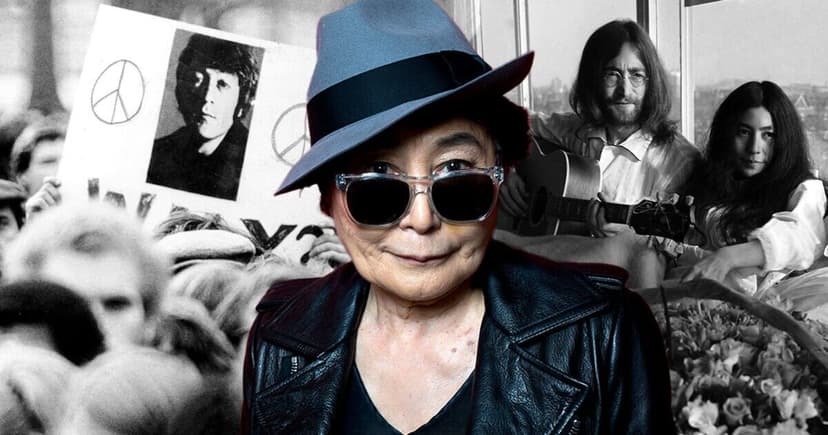
Following John Lennon's assassination in December 1980, Yoko Ono endured profound grief, compounded by financial freezes from Apple Corps and exclusion from events hosted by the remaining Beatles. This period of immense loss saw her struggle with drugs, relying on staff and her young son Sean for support.
Within weeks of Lennon's death, Ono returned to the studio at age 47 to record music as an epitaph. Her album "Walking On Thin Ice" featured a gunshot sound effect, which was ultimately replaced by a rimshot, and she fought for the inclusion of a bloodstained glasses cover, facing resistance from record companies.
Despite initial critical reception for her post-Lennon work, Ono later felt discouraged by a lack of demand for her music. She attempted to carry forward John's and her dreams of world peace with her 1986 album and world tour, "Starpeace," inspired by Reagan's "Star Wars" program.
After "Starpeace," Ono withdrew from music, seeking a new identity as a visual artist. Though she and John Lennon had previously lived in a small Greenwich Village apartment in 1971, and she staged a "Bed-In" at Amsterdam's Hilton Hotel 17 years prior, her solo endeavors often struggled to capture the same cultural resonance.
Now 93, Ono is reportedly in ill health and wheelchair-bound, a stark contrast to her earlier years. Once hailed by New York avant-gardists as a significant artist, she is largely remembered as a famous "plus-one" and controversially labeled as the one who "broke up the Beatles," a distinction the article posits should belong to John Lennon.
