Home / Arts and Entertainment / Wuthering Heights Goes Wild: From Snacks to Lingerie
Wuthering Heights Goes Wild: From Snacks to Lingerie
9 Feb
Summary
- Film adaptation spawns diverse merchandise, including themed snacks and lingerie.
- Collaborations aim to transform the novel into an aesthetic lifestyle experience.
- Critics question reducing the novel's themes to mere sexuality for profit.
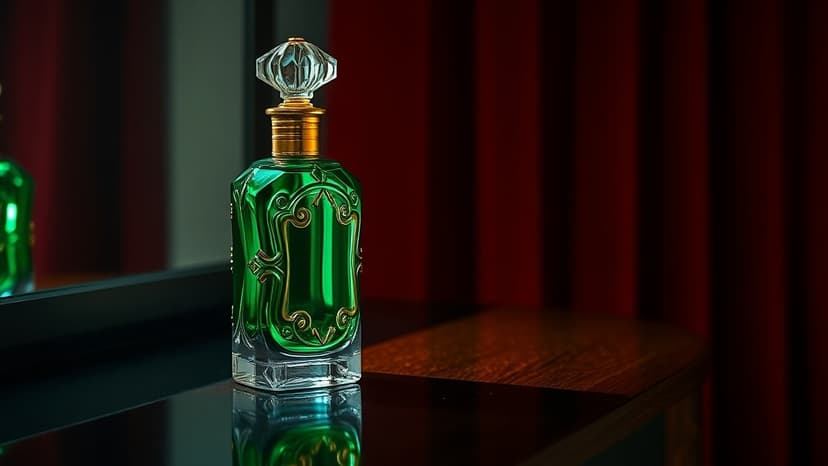
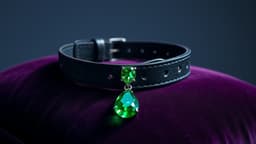
Emerald Fennell's adaptation of Emily Brontë's Wuthering Heights has inspired a wide array of merchandise, transforming the classic novel into a lifestyle brand. Products range from themed açai bowls and luxury leather goods to perfume, tea, cookies, and multiple lingerie collections. Dedicated brands have even released massage candles and body oils intended to evoke the story's passionate atmosphere.
These extensive collaborations reflect a trend where films leverage existing brand awareness and ancillary sales. The goal is to create viral moments and an all-encompassing aesthetic experience for audiences, encouraging them to engage with the narrative's themes of obsession and desire. This includes carefully curated press tours and encouraging fan participation through themed products.
Critics, however, question the commercialization of the novel, suggesting it reduces complex themes of class, race, and generational trauma to overt sexuality. This approach, particularly highlighted by the casting choices and the focus on BDSM aesthetics for BookTok, is seen by some as a superficial engagement with transgression that ultimately aligns with normative capitalist trends.
The widespread merchandising, while potentially introducing the classic to new audiences, raises concerns about losing sight of art's intrinsic value. The push to purchase obsession through branded items contrasts sharply with Brontë's original exploration of its destructive consequences, leading some to deem the commercialization of such bleak material as in poor taste.