Home / Arts and Entertainment / Fennell's Wuthering Heights Ditches Brontë's Rage
Fennell's Wuthering Heights Ditches Brontë's Rage
14 Feb
Summary
- Film adaptation critically called hollow and tame compared to original novel.
- Casting choices alter character dynamics, removing race and class tensions.
- Director's interpretation favors romance tropes over Gothic intensity.
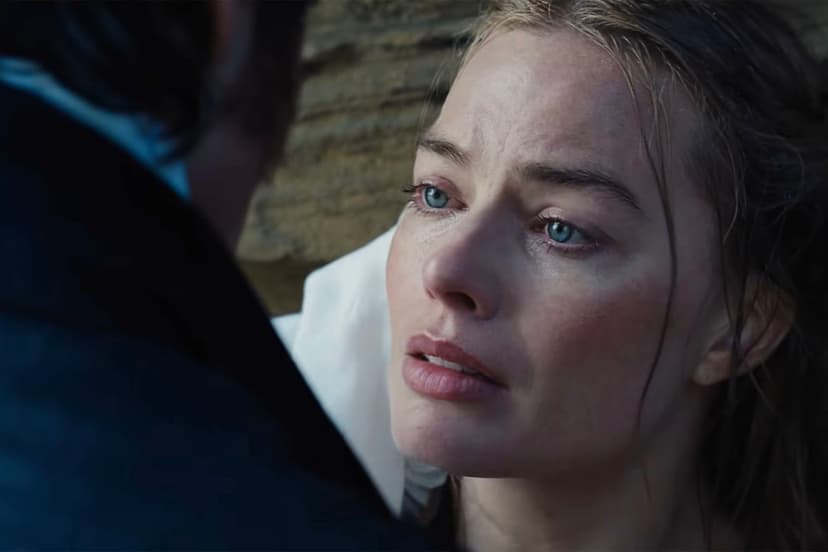
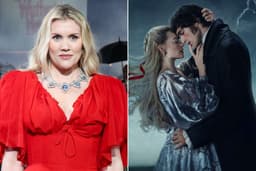
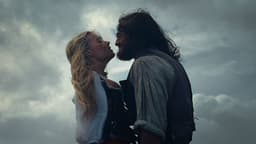
Emerald Fennell's cinematic interpretation of Emily Brontë's "Wuthering Heights" has been met with significant criticism for its departure from the novel's core themes and emotional intensity. The film is described as an astonishingly hollow work, prioritizing marketable romance tropes over the source material's passionate and violent narrative. Director Fennell's stated intent to capture her teenage experience of reading the book has resulted in an adaptation that "guts" the original, leading to a tame and significantly altered retelling. Key elements like Heathcliff's ambiguous ethnicity and the novel's exploration of colonialism and social ostracization are largely absent. The casting of white actors in key roles and the flattening of narrative tensions, such as Heathcliff's motivation for vengeance, contribute to the film's perceived shallowness. Instead of Gothic intensity, the adaptation offers a simplified romance, losing the "naked rage" that characterized Brontë's work. While previous adaptations have also condensed the novel, Fennell's version is noted for its tone, which is deemed whimperingly tame. The film's aesthetic, borrowing from fairytale classics, further distances it from the Gothic masterpiece. Despite attempts at provocation, the film fails to deliver on its stated intentions, ultimately offering a diluted experience that critics argue misses the spirit of Brontë's singular vision.