Home / Arts and Entertainment / Director's Vision Strips Classic Novel
Director's Vision Strips Classic Novel
17 Feb
Summary
- Film adaptation prioritizes romance over novel's core themes.
- Casting choices and marketing drew early criticism.
- Critique highlights disregard for social and racial politics.
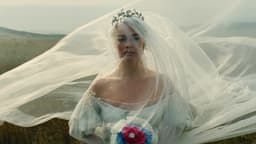
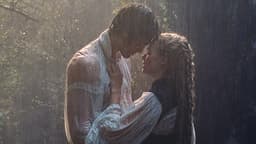
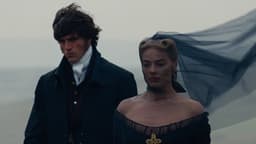
Emerald Fennell's cinematic adaptation of "Wuthering Heights" has been met with criticism for its significant departure from Emily Brontë's original novel. The film, which prioritizes a simplistic love story, has been accused of stripping away the book's complex themes. These themes include revenge, class struggle, power dynamics, and the pervasive impact of racism and systemic violence.
Concerns were raised even before the film's release, citing the casting of Margot Robbie and Jacob Elordi, as well as the film's marketing. Critics argue that the adaptation fails to capture the novel's radical spirit, focusing instead on a superficial romance. This selective focus, particularly in omitting the social and racial politics central to Heathcliff's character and narrative, has left many viewers feeling disappointed.
The adaptation's approach has been called a "cynical co-option," as it discards the novel's groundbreaking exploration of class, race, and gender. The film's aesthetic has also been critiqued for lacking the gothic and stranger elements found in Brontë's work, resulting in a hollow and ultimately unsatisfying cinematic experience.