

Home / Arts and Entertainment / Warsaw's Neon Past Glows Anew
Warsaw's Neon Past Glows Anew
6 Apr
Summary
- Historic neon signs are being restored, bringing color back to Warsaw.
- A museum dedicated to neon signs attracts over 100,000 visitors annually.
- New neon creations nod to the past while illuminating modern establishments.
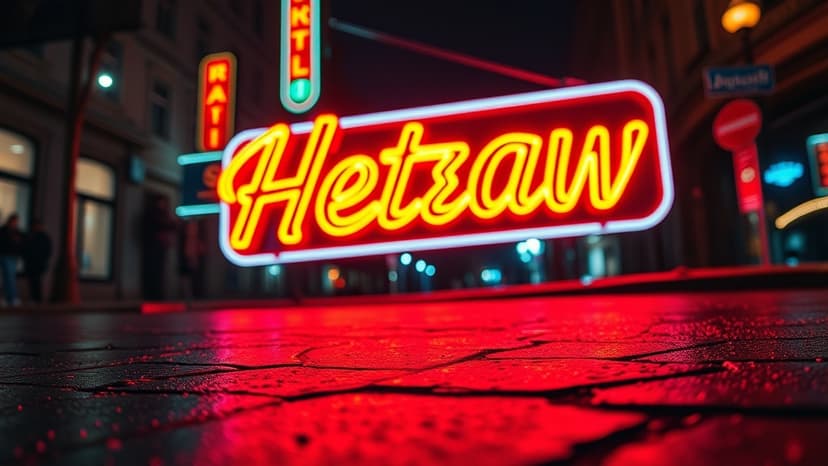
Warsaw's iconic neon signs, symbols of color and hope during decades of Cold War repression, are being revitalized. After communism's end in the late 1980s, many signs were abandoned or discarded. However, a burgeoning appreciation has led to the restoration of these historic illuminations and the creation of new, custom-made signs for modern establishments.
The Warsaw Neon Museum, established in 2012 by Ilona Karwińska and David Hill, has become a major attraction, drawing over 100,000 visitors annually. Their initial project, documenting neglected signs in 2006, evolved into a passion for preserving these pieces of history. The museum now houses a significant collection of cold war-era illuminations.
Neon signs, pioneered in the early 20th century, first appeared in Warsaw in 1926. Post-WWII, a government initiative in 1956 aimed to 'neonize' the nation, with leading designers creating many of the signs that adorned reconstructed and new buildings.
In response to concerns about preserving these signs, Karwińska and Hill have begun renovating and returning neons to or near their original locations. This resurgence has inspired a new generation of designers, such as Mariusz Lewczyk, who created a prominent new sign on the Gdański Bridge. The movement extends beyond Warsaw, with plans for a second museum in Budapest, highlighting the growing recognition of neon's cultural and emotional value.
